
Ilhan Omar, the Democratic U.S. Representative from Minnesota’s 5th Congressional District, has once again become a target of President Donald Trump’s inflammatory rhetoric. During a White House Cabinet meeting on December 2, 2025, Trump referred to Ilhan Omar as “garbage” and demanded that Somalis, including her community, “go back to where they came from,” reigniting long-standing tensions.
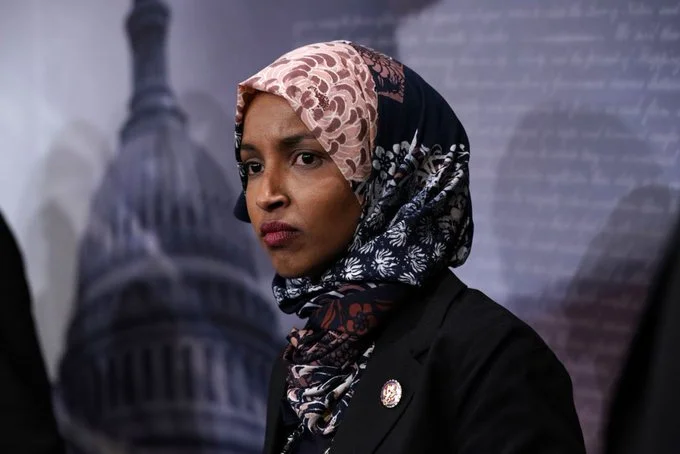
Ilhan Omar’s Background and Rise in Politics
Born October 4, 1982, in Mogadishu, Somalia, Ilhan Omar fled civil war at age 8 with her family, spending four years in a Kenyan refugee camp before resettling in Minneapolis in 1997. She became a U.S. citizen and graduated from North Dakota State University. In 2016, Ilhan Omar made history as the first Somali-American Muslim woman elected to the Minnesota House, defeating a 44-year incumbent. Two years later, she won Minnesota’s 5th District—America’s most Democratic seat—becoming one of the first two Muslim women in Congress alongside Rashida Tlaib.
Now in her fourth term (119th Congress), Ilhan Omar serves on the House Education and Workforce Committee (Ranking Member, Workforce Protections Subcommittee) and Budget Committee. As Progressive Caucus Whip, she champions Medicare for All, Green New Deal, $15 minimum wage, and Roe v. Wade codification. Her district, covering Minneapolis and suburbs (D+26 Cook PVI), reelected her decisively in 2024 despite heavy Republican spending.
When demagogues like Trump are in trouble, they reach for the same playbook: racism, hatred and division, this time against Rep. Ilhan Omar and the Somali-American community.
It’s disgusting. It’s un-American. And it won’t work. pic.twitter.com/04TkFiu91b— Bernie Sanders (@BernieSanders) December 2, 2025
Trump’s Cabinet Meeting Tirade Against Ilhan Omar
Trump’s remarks capped a two-hour Cabinet session, triggered by questions about Minnesota Gov. Tim Walz and COVID fraud schemes implicating Somali Minnesotans ($1B+ losses, 59 convictions). Trump called Somalia “barely a country” where people “run around killing each other,” then pivoted to Ilhan Omar: “I always watch her… she hates everybody… she’s garbage. Her friends are garbage.” He added, “If they came from hell and complain… let them go back and fix it”.
Homeland Security Secretary Kristi Noem, present, endorsed a travel ban on ~30 countries including Somalia. Trump expanded: “Their country stinks… we don’t want them.” Ilhan Omar responded on X: “His obsession with me is creepy. I hope he gets help.” Minneapolis Mayor Jacob Frey defended Minnesota’s Somali community (~80,000 strong), calling it “vibrant”.
HOLY F'CK 🚨
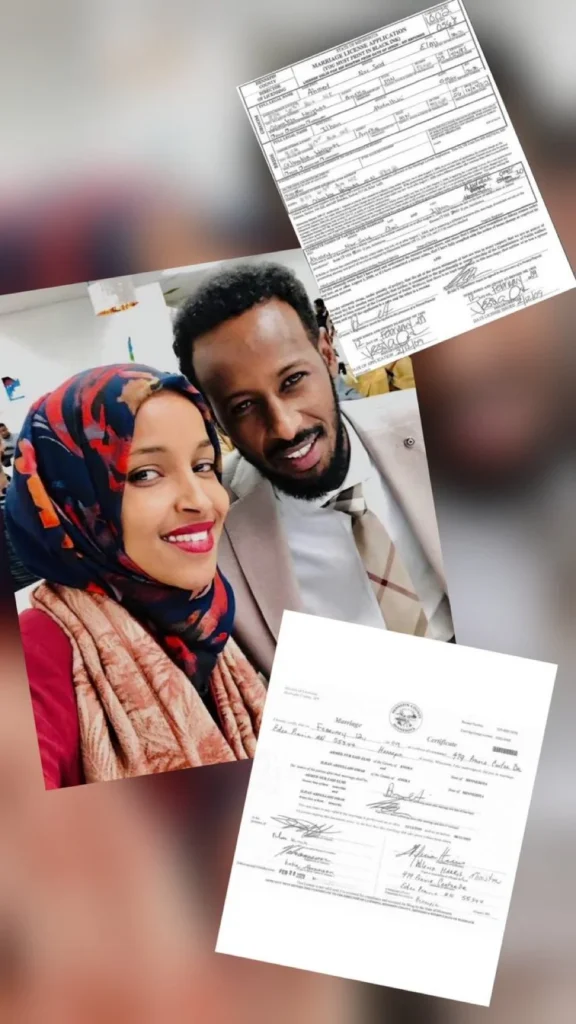
Bigamy, tax evasion, immigration fraud
The Secrets of Ilhan Omar are in this video
I'm calling on @TheJusticeDept and Homeland Security Sec @KristiNoem to hold Ilhan Omar to the same set of rules we live by
Deport Ilhan Omar…. who's with me pic.twitter.com/ghX5OBpJO2— @Chicago1Ray 🇺🇸 (@Chicago1Ray) December 2, 2025
Ilhan Omar’s Political Legacy and Achievements
Ilhan Omar‘s trailblazing path—from refugee to Congress—inspires globally. She authored 38 bills in her first state term, led “Vote No Twice” defeating voter ID and anti-gay marriage amendments, and worked on Andrew Johnson’s council campaign. In Congress, her first bill designating a Minneapolis post office became law. She negotiated public safety investments, climate bills, and pandemic child nutrition funding for 30M kids.
Part of “The Squad” with AOC, Tlaib, and Pressley, Ilhan Omar fights racial equity, opioid crisis, assault weapons bans. Despite death threats spiking post-election, she persists as Budget Committee leader.
Context of Trump’s Longstanding Attacks on Ilhan Omar
Trump’s comments echo past rhetoric: 2018 “shithole countries,” 2023 “poisoning the blood,” 2019 “send her back” chants at rallies. Recent claims of Somalis “taking over Minnesota” with gangs lack evidence. Amid ICE operations in Minneapolis-St. Paul (not Somali-targeted), Walz called fraudsters “going to jail” and Trump’s demonization “lazy”.

St. Paul Mayor Melvin Carter labeled remarks “racist, Islamophobic, xenophobic.” Ilhan Omar‘s office has not commented further.
Ilhan Omar’s Future and Impact
Re-elected comfortably in 2024 against Dalia Al-Aqidi, Ilhan Omar continues advocating progressive values. Her story—from refugee camp to Capitol Hill—embodies American resilience. As 2026 midterms loom, Trump’s attacks highlight partisan divides, but Ilhan Omar‘s voter turnout boosts (37% increase in 2016) show her staying power.
Ilhan Omar remains a symbol of diversity in leadership, undeterred by adversity.