
On the morning of Groundhog Day 2026, thousands of people packed Gobbler’s Knob in Punxsutawney, Pennsylvania, braving subfreezing temperatures, music, fireworks, and pre‑dawn speeches to see Phil emerge from his burrow.
Handlers lifted the famous groundhog from his stump just after sunrise, and event officials announced the verdict everyone was waiting for: Phil saw his shadow, which according to tradition means six more weeks of winter for the United States.
Records show that since formal tracking began, Punxsutawney Phil has seen his shadow around 110 times, far more often than he has predicted an early spring.
Table Of Contents
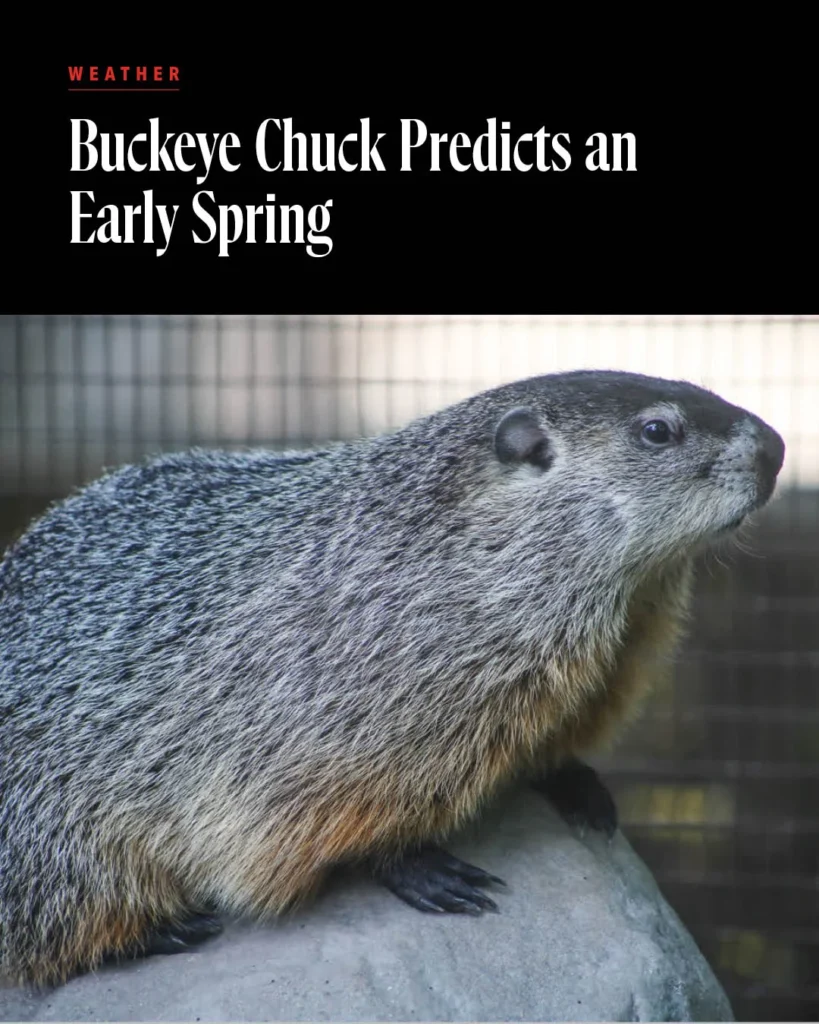
How Groundhog Day 2026 Matches the Real Forecast
While the legend of Groundhog Day 2026 leans on a single groundhog, meteorologists are warning that the folklore prediction actually lines up with real weather patterns this year.
AccuWeather’s long‑range team says a persistent polar vortex pattern will keep cold, wintry air locked over much of the eastern half of the U.S. through at least mid‑February.
Key points from their outlook:

- Waves of frigid Arctic air will continue into the first two weeks of February.
- Snow and ice threats will stretch across the Midwest, Ohio Valley, Appalachians and the Northeast.
- Many areas east of the Rockies could finish February well below average for temperature, in some spots 4–10 degrees colder than normal.
NOAA’s Climate Prediction Center also sees elevated chances of below‑normal temperatures for much of the Southeast and eastern U.S. later in the month, thanks to a negative Arctic Oscillation pattern.
So for Groundhog Day 2026, Phil’s “six more weeks of winter” lines up with what human forecasters already expect: February will stay colder and stormier than usual across a big chunk of the country.
Is Punxsutawney Phil Ever Right?
Despite the fun at Gobbler’s Knob, weather experts are quick to remind people that Groundhog Day 2026 is about folklore, not scientific forecasting.
NOAA’s analysis of Phil’s track record between 2005 and 2024 found his early‑spring vs. long‑winter calls were correct only about 35–40% of the time when compared with actual national temperature data.

Stormfax Almanac and other long‑term reviews put Phil’s overall accuracy closer to 30%, which is worse than simply flipping a coin.
In other words:
- Phil sees his shadow most years (meaning “winter”), but that doesn’t always match real conditions.
- Over the last decade, he has been right in only a minority of years, even though millions still tune in.
Still, for Groundhog Day 2026, meteorologists note that his long‑winter prediction coincidentally agrees with their long‑range models, which show cold air and frequent storms continuing into March for many regions.
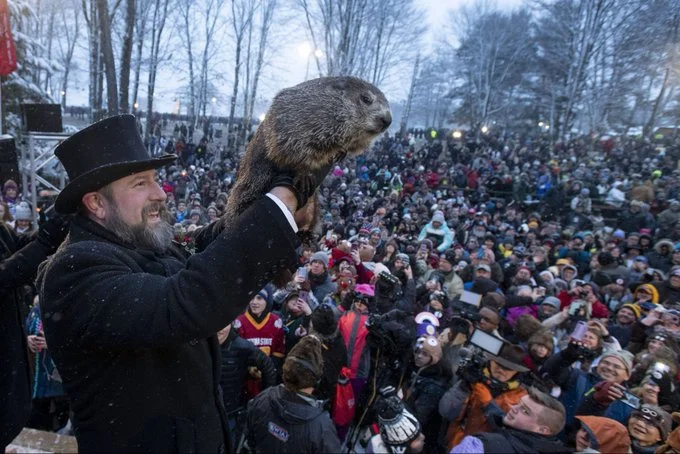
Why We Still Celebrate Groundhog Day 2026
Even though Phil isn’t a reliable forecaster, Groundhog Day 2026 remains a major cultural tradition.
Some key background:

- The event is held every February 2 and is tied to the old European festival of Candlemas, which historically marked the midpoint of winter and included weather lore to guess the start of planting season.
- German immigrants brought similar traditions to Pennsylvania, swapping hedgehogs for groundhogs when they settled the region.
- Punxsutawney Phil’s ceremony, run by the Punxsutawney Groundhog Club, has been formally documented for well over a century and draws visitors from across the U.S. and abroad.
The day has also been cemented in pop culture thanks to the 1993 Bill Murray film Groundhog Day, which turned the small‑town ritual into an international reference point for repetition and second chances.
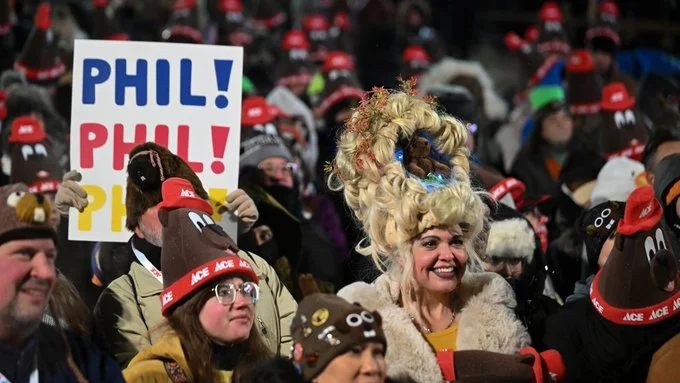
Groundhog Day 2026: Tradition vs. Science
Groundhog Day 2026 highlights a useful contrast between myth and modern meteorology:
- Phil delivers a simple, symbolic forecast in front of a cheering crowd.
- Human forecasters use satellite data, climate models and atmospheric patterns like the polar vortex and Arctic Oscillation to produce detailed, region‑specific outlooks.
NOAA and independent climatologists stress that, while the groundhog show is harmless fun, people should rely on official outlets—like the National Weather Service, NOAA’s Climate Prediction Center and reputable forecast providers—for real planning.
At the same time, because Groundhog Day 2026 happens during a notable cold spell, the folklore forecast feels more “true” this year, even if the statistics say Phil is usually closer to a mascot than a meteorologist.
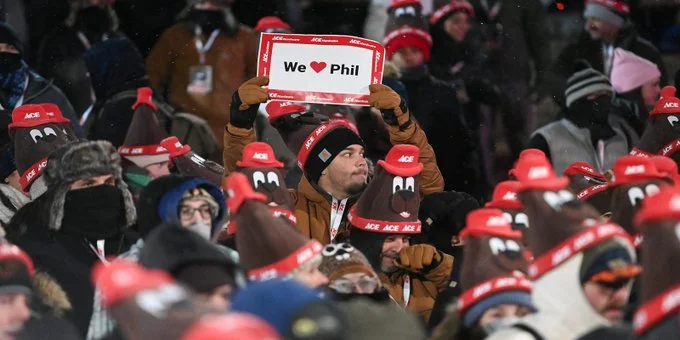
What Groundhog Day 2026 Means for You
If you live in the Mid‑Atlantic, Midwest, Great Lakes, Appalachians or Northeast, both Phil and professional forecasters agree:
- Expect more cold shots into late February.
- Plan for additional snow and ice events, even if storms aren’t as extreme as late January’s Arctic outbreak.
- Energy costs may stay elevated as heating demand remains high.
For the South and Southeast, Groundhog Day 2026 also points toward a cooler‑than‑normal month, though conditions may be more variable than in the northern tiers. So while Punxsutawney Phil’s shadow is officially just a legend, the message for Groundhog Day 2026 is clear: keep the winter coats handy, don’t put away the snow shovels yet, and check real forecasts often—because this February still has plenty of winter left to deliver