
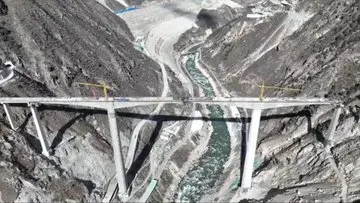
The Hongqi Bridge in China’s Sichuan province collapsed dramatically on November 11, 2025—only months after it first opened for traffic. Stretching 758 meters across a gorge and designed to connect Sichuan with Tibet via the G317 national highway, this ambitious infrastructure project has quickly become a focal point for questions about engineering safety and geological stability.
Early Warnings and Quick Response
The bridge’s road surface and right-bank slope began showing visible cracks and ground shifts the day before the collapse, prompting local officials to implement immediate traffic controls and close the bridge to all vehicles and pedestrians. These signs of instability were first noted during a routine inspection around 5:25 p.m. local time, which spurred authorities into launching an emergency response and evacuation. Engineers and police acted swiftly, issuing public safety notices and ensuring the structure was clear before disaster struck.
The Collapse Event
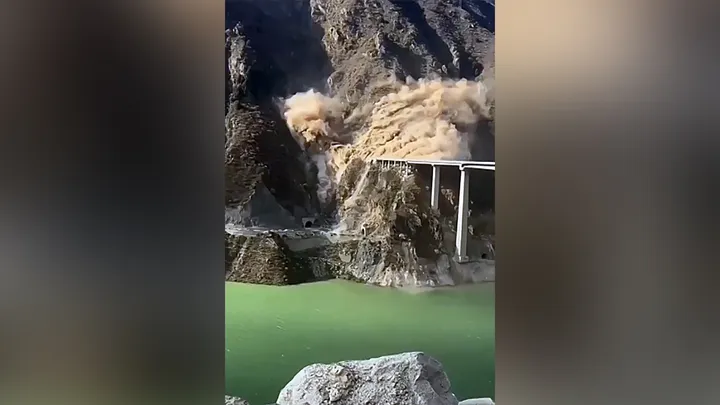
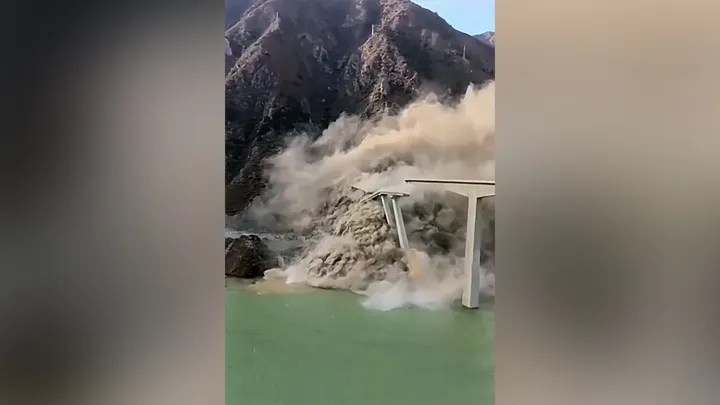
On November 11, at about 3 p.m. local time, part of the Hongqi Bridge buckled and fell into the river below. Footage rapidly circulated across Chinese social media showing massive clouds of dust and debris as concrete and steel tumbled into the gorge. The collapse generated international headlines due to the bridge’s recent completion and its significance as a symbol of improved connectivity across western China’s rugged landscape.

Bridge Specifications and Location
The Hongqi Bridge stood an impressive 625 meters above the valley floor, with piers reaching 172 meters tall. Built by the Sichuan Road & Bridge Group and completed earlier in 2025, the structure was located near the Shuangjiangku Hydropower Station in Maerkang city. Intended to facilitate transportation between central China and Tibet, the bridge carried a two-lane road and played a key role in regional development initiatives.

Causes and Preliminary Findings
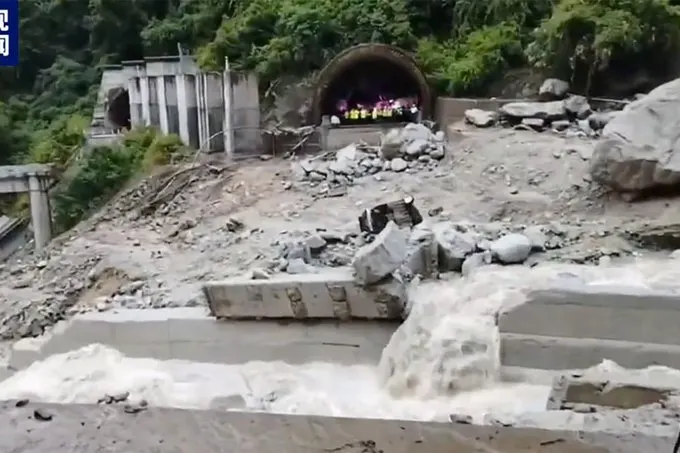
While the official cause of the collapse is still under investigation, early assessments point to geological instability as a major factor. Landslides and shifting mountain terrain around the approaches appear to be the proximate cause, though experts are also examining possible engineering flaws or construction oversights. The region’s steep mountainside and unstable soil made building the Hongqi Bridge an engineering challenge, raising broader questions about infrastructural resilience in earthquake-prone and geologically active areas.
Aftermath and Impact
Remarkably, no casualties were reported—thanks to the decision to close the bridge before the collapse occurred. Authorities have since launched a comprehensive technical investigation to determine the full scope of contributing factors, and there’s no clear timeline for reopening the highway. The incident has sparked extensive debate about infrastructure safety, oversight, and China’s efforts to build landmark projects in difficult environments.

Symbolism and Broader Implications
The Hongqi Bridge was meant to showcase China’s engineering capabilities and drive economic growth in the Tibetan Plateau. Its sudden failure, however, underscores the risks facing large-scale projects constructed in unstable regions. As investigations continue, the bridge’s collapse will likely provoke new standards and procedures for major infrastructure in high-risk terrains, reminding the world of the importance of proactive safety measures and rigorous geotechnical research.
The story of the Hongqi Bridge is a cautionary tale for global infrastructure development—highlighting the interplay between advanced engineering and the unpredictable forces of nature. It serves as a stark reminder that innovation must be balanced by vigilant monitoring and adaptation to the realities of the landscape.