
A potential government shutdown 2026 crisis intensified late Thursday when Sen. Lindsey Graham (R-S.C.) blocked a critical funding package, forcing Senate leaders to delay a crucial vote just hours before a deadline. The dramatic standoff centers on a contentious provision protecting senators’ phone records from surveillance probes.
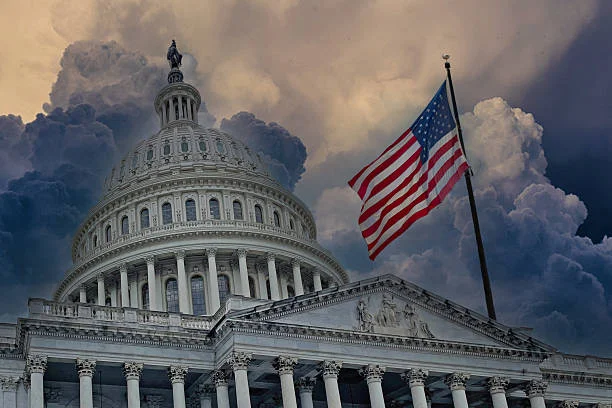
Lindsey Graham’s Shutdown Blockade
Senators had reached a tentative agreement earlier Thursday on a “minibus” package combining five full-year appropriations bills with a short-term Department of Homeland Security (DHS) funding extension. President Trump endorsed the deal via Truth Social, urging bipartisan support to avoid government shutdown 2026.
But Graham emerged from Senate Majority Leader John Thune’s office declaring, “We’re not voting tonight.” His objection targets language repealing the “Arctic Frost” provision—a measure he championed last year that allows senators to sue if their phone records are improperly collected, as allegedly occurred during special counsel Jack Smith’s investigations.[ equivalent from context]
” Which senator would not wish to be made aware that they are scrutinizing your phone?” Graham argued. The House had inserted the repeal into the DHS funding bill, frustrating Senate Republicans who see it as essential oversight protection.
Government Shutdown 2026 Timeline at Risk
The funding package breakdown creates a tight timeline to avert government shutdown 2026:
Current Status:
- Five full-year bills (Defense, Transportation, HUD, HHS, Labor/Education) – Ready for vote
- DHS continuing resolution – Two-week extension to February 13
- House return – Earliest Monday (72-hour notice required)
- Potential shutdown – Likely short-term lapse over weekend
Senate Minority Leader Chuck Schumer blamed Republicans: “They need to get their act together.” Thune acknowledged bipartisan objections but expressed optimism for Friday passage.

DHS Funding Becomes Shutdown Flashpoint
The DHS bill emerged as the primary obstacle to avoiding government shutdown 2026 after Democrats successfully negotiated its separation from the minibus package. The move followed public outrage over Border Patrol agent Alex Pretti’s killing of a Minneapolis resident, prompting three Democratic demands:
- End roving ICE patrols and tighten warrant requirements
- Universal officer code of conduct with enhanced accountability
- Mandatory body cameras, ban on agent masks
Republicans resisted the two-week CR duration, preferring 4-6 weeks. “This likely indicates an additional two-week CR, and possibly another one thereafter,” Thune cautioned.
Trump’s Shutdown Intervention
President Trump actively engaged to prevent government shutdown 2026, posting on Truth Social: “I am working hard with Congress to ensure we fully fund the Government without delay.” He specifically praised the five-bill package while noting DHS’s separate timeline.
Trump pointed out the non-controversial components of the Department of Homeland Security—80% of the funding from the bill supports TSA, FEMA, Secret Service, and Coast Guard operations that are not related to ICE enforcement. His intervention secured Democratic buy-in after 24 hours of White House-Senate negotiations.
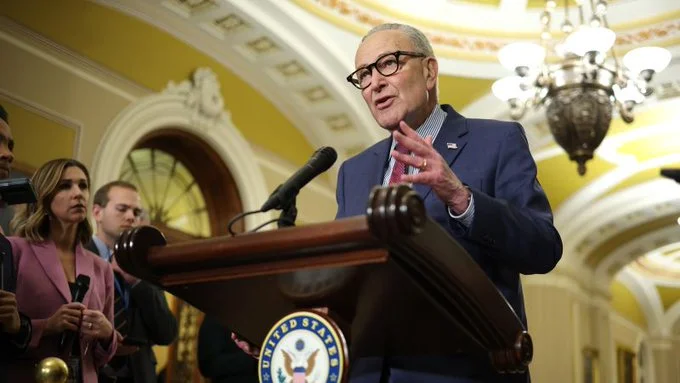
House Complications Add Shutdown Pressure
House Speaker Mike Johnson confirmed no floor action before Monday due to recess rules requiring 72-hour member notice. ” We might find ourselves in a brief shutdown scenario,” he recognized during an event at the Kennedy Center.

GOP leadership considers emergency Sunday recall but faces logistical hurdles. The House previously inserted the Arctic Frost repeal, positioning itself as the shutdown instigator in Graham’s view.
What Government Shutdown 2026 Would Mean
A government shutdown 2026—even brief—would impact:
| Affected Services | Status During Shutdown |
| National Parks | Closed to visitors |
| IRS Refunds | Processing delayed |
| Passport Offices | Limited service |
| Small Business Loans | Applications frozen |
| NIH Clinical Trials | Halted |
| TSA Screening | Minimum staffing |
| Military Pay | Active duty guaranteed |
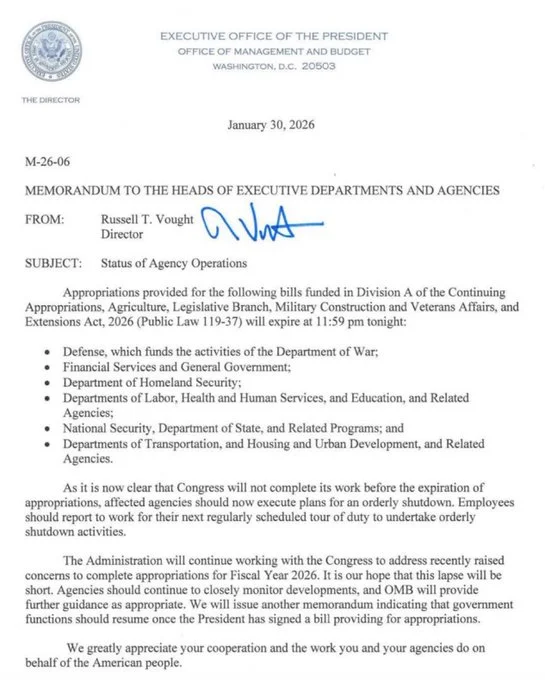
Essential personnel (1.4 million federal workers) would remain on duty without pay, while 2.2 million would be furloughed. Recent shutdowns cost the economy $11 billion, averaging $1.5 billion daily.
Arctic Frost: The Phone Records Flashpoint
Graham’s hold preserves a provision born from last year’s marathon shutdown negotiations. “Arctic Frost” allows senators whose phone records were collected without notification during federal investigations to seek judicial remedy.
House Democrats view it as special treatment for senators, excluding House members. The provision’s House insertion into DHS funding forced Senate Republicans into a shutdown dilemma—accept repeal or risk government shutdown 2026.
Strategic Maneuvering Behind Shutdown Threats
Analysts see calculated politics in the government shutdown 2026 brinkmanship:
Republican Strategy:

- Leverage DHS funding to kill Arctic Frost repeal
- Highlight Democratic ICE reform demands as extreme
- Pressure House leadership for weekend session
Democratic Strategy:
- Force short DHS CR to revisit ICE accountability post-Minneapolis killing
- Blame Graham’s hold for any shutdown
- Maintain leverage for future negotiations
Path Forward to Avoid Shutdown
Senate reconvenes Friday morning. Possible scenarios:
- Friday Passage – Senate approves minibus + DHS CR, House recalls Sunday
- Short Shutdown – Friday vetoes force weekend lapse, Monday House resolution
- Longer Standoff – Arctic Frost becomes permanent obstacle
Appropriations Chair Susan Collins believes Valentine’s Day resolution remains possible: “The president and leadership worked this out. We can do it.”
Economic and Political Stakes
Government shutdown 2026 carries high stakes during Trump’s second term honeymoon period. Public fatigue with shutdown politics—seven major episodes since 2011—means voter backlash against perceived obstructionists.
For Graham, preserving Arctic Frost validates his oversight role post-Smith investigation. Democrats seek ICE reform momentum after high-profile incidents. Trump needs clean legislative wins early in term two.
Bottom Line: Friday’s Senate session determines whether government shutdown 2026 becomes reality or rhetoric. With House unavailable until Monday, even brief funding lapse appears likely absent dramatic compromise.
The unfolding drama exemplifies congressional dysfunction—single senators wielding veto power over trillion-dollar packages, personal grievances driving national policy, and perpetual short-term fixes creating perpetual crises. As clocks tick toward shutdown, all eyes remain on Capitol Hill’s Friday showdown.