
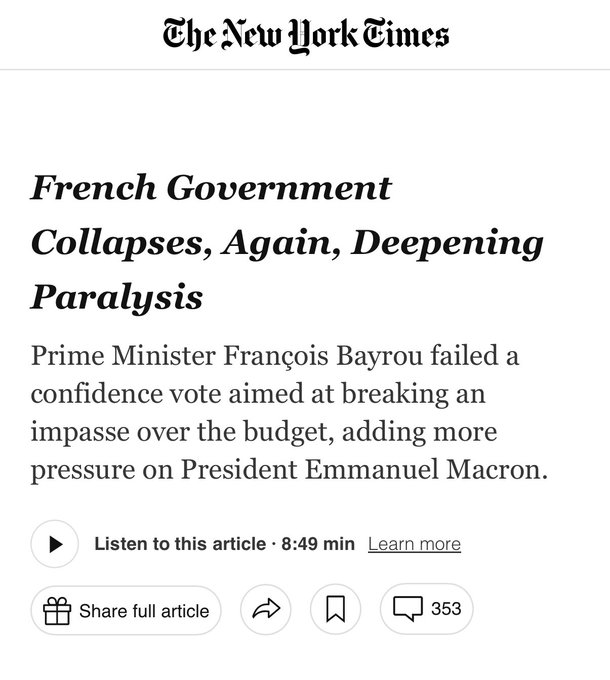
The french government collapses once again as lawmakers voted 364-194 to oust Prime Minister François Bayrou in a stunning vote of no confidence on Monday, September 8, 2025. This unprecedented political upheaval marks the fifth time Emmanuel Macron will need to appoint a new french prime minister in less than two years, plunging Europe’s second-largest economy into chaos and raising serious questions about France’s stability and international influence.
The Immediate Cause of the French Government Collapse
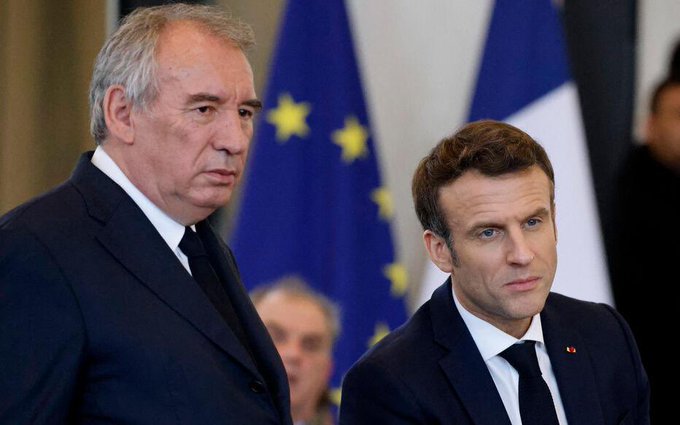
The latest french government crisis stems from Prime Minister François Bayrou’s controversial budget proposal that sought to slash €44 billion ($52 billion) from government spending in 2026. Bayrou, a 74-year-old centrist veteran who had been in office for just nine months, called the confidence vote himself in a desperate gamble to force lawmakers to support his austerity measures.
The french prime minister proposed dramatic cuts including eliminating two national public holidays, freezing welfare spending, and implementing severe budget reductions to address France’s ballooning debt crisis. France’s national debt has reached a staggering 114% of its GDP, with the budget deficit hitting 5.8% in 2024, far exceeding the European Union’s 3% limit.
Opposition parties from across the political spectrum, including the far-left France Unbowed and the far-right National Rally, united against Bayrou’s austerity package, viewing it as punitive to working families and the vulnerable. This unusual coalition of opposing forces demonstrates the deep fractures within French politics that have made governance nearly impossible.
Emmanuel Macron’s Mounting Challenges
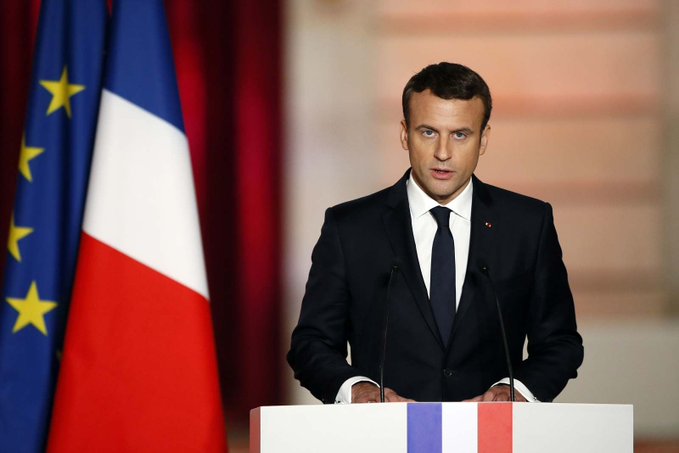
Emmanuel Macron faces an unprecedented leadership crisis as president, with critics calling for his resignation following the government collapse. The 47-year-old president, who has been in office since 2017, now confronts the daunting task of finding his fifth french prime minister while managing a deeply fractured parliament.
The challenges faced by Macron initiated with his courageous action to call for snap elections in June 2024, subsequent to his party encountering setbacks in the European Parliament elections. This political gamble backfired spectacularly, resulting in a hung parliament where no single party holds a majority, making stable governance nearly impossible.
The president’s options are severely limited, with potential candidates including Defense Minister Sébastien Lecornu or Justice Minister Gérald Darmanin. However, any centrist appointee risks facing immediate no-confidence votes from the same opposition coalition that toppled Bayrou.

Macron’s Five Strategic Options
| Option | Description | Challenges |
| Centrist Appointment | Select another minister from his own party | Risk of appearing tone-deaf, likely immediate no-confidence vote |
| Socialist Coalition | Partner with center-left parties | Would require abandoning pro-business policies |
| Technocratic Government | Appoint non-political experts | Limited legitimacy, same budget challenges |
| Snap Elections | Call new parliamentary elections | Could strengthen far-right National Rally |
| Constitutional Reform | Move toward Sixth Republic | Complex, uncertain outcomes |
Impact on French Politics and Society
The france news cycle has been dominated by this political instability, which threatens to unleash widespread civil unrest across the country. A grassroots movement called “Block Everything” has emerged on social media, calling for nationwide strikes and protests on September 10, 2025.
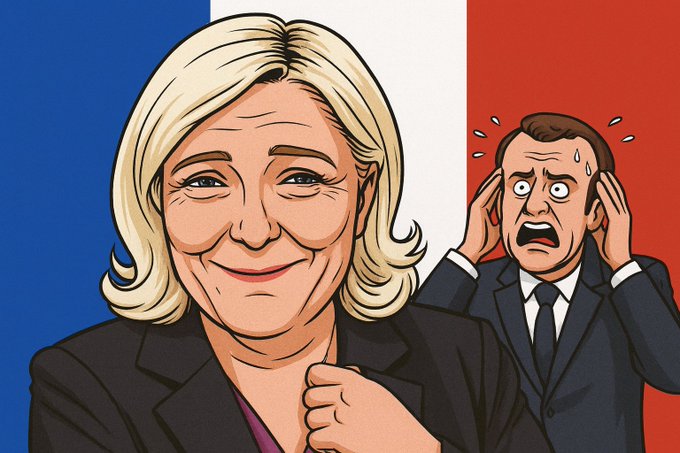
The political paralysis has created fertile ground for extremist parties, particularly Marine Le Pen’s National Rally, which has been steadily gaining popularity by positioning itself as the only force capable of channeling public anger. Le Pen has demanded immediate dissolution of parliament and new elections, confident her party would benefit from the chaos.
Public frustration with the political elite has reached dangerous levels, reminiscent of the Yellow Vest protests that rocked France in 2018-2019. The convergence of financial struggles, political volatility, and the perceived neglect of governmental authorities regarding public matters establishes a backdrop for substantial social disruption.
Economic Consequences and International Implications
The french government collapse has immediate economic ramifications that extend far beyond France’s borders. French bond yields have surged above those of Spain, Portugal, and Greece – countries that were previously at the center of Europe’s debt crisis. Credit rating agencies are expected to review France’s sovereign debt rating this week, potentially resulting in a downgrade that would further undermine economic confidence.
The crisis threatens France’s traditional role as a key driver of European Union policy and integration. For decades, France prided itself on offering stability compared to Italy’s revolving-door governments, but this dynamic has now reversed, with Italy under Giorgia Meloni projecting more stability than France.
What This Means for U.S.-France Relations
American policymakers are closely watching the French crisis due to its potential impact on NATO, transatlantic relations, and global stability. France is a crucial ally in addressing international challenges including the war in Ukraine, tensions with China, and Middle East conflicts.
Emmanuel Macron has been an active partner with the United States on foreign policy issues, but domestic instability limits his ability to pursue ambitious international initiatives. The political stalemate might drive France to take a more self-focused stance, possibly diminishing Western solidarity on crucial international concerns.

The crisis also raises concerns about the rise of populist and extremist movements across Europe, a trend that could influence American domestic politics and foreign policy calculations. If Marine Le Pen’s National Rally gains power, it could fundamentally alter France’s relationship with NATO and the European Union.
Historical Context and Precedent
The current crisis represents the most severe political instability France has experienced since the establishment of the Fifth Republic in 1958. The French constitution was designed to ensure stable governance through a strong presidency and clear parliamentary majorities, but the current fragmented political landscape has rendered this system dysfunctional.
Only twice before in modern French history has a government fallen due to no-confidence votes – in 1962 and December 2024 when Michel Barnier was ousted. The rapid turnover of unsuccessful governments highlights an exceptional period of instability that poses a challenge to the fundamental tenets of French democracy.
Looking Ahead: Scenarios and Predictions
Political analysts suggest several possible outcomes for France’s immediate future. The most likely scenario involves Macron appointing a new prime minister who attempts to negotiate a compromise budget with Socialist parties, though success remains uncertain.
If a third prime minister falls within a year, pressure for new legislative elections would become irresistible, potentially leading to gains for extremist parties on both ends of the political spectrum. This outcome could fundamentally reshape French politics and European stability.
Key Timeline of Events
| Date | Event | Significance |
| June 2024 | Macron calls snap elections | Political gamble backfires |
| September 2024 | Michel Barnier appointed PM | First of recent short-lived governments |
| December 2024 | Barnier ousted by no-confidence | Unprecedented modern occurrence |
| December 2024 | François Bayrou appointed | Fourth PM in two years |
| September 8, 2025 | Bayrou loses confidence vote | Fifth PM needed |
Broader Implications for Democracy
The french government crisis highlights broader challenges facing democratic institutions worldwide. The fragmentation of traditional political parties, rise of populist movements, and increasing polarization create governance challenges that extend beyond France’s borders.
American observers note similarities between France’s political fragmentation and increasing polarization in U.S. politics, though the parliamentary system makes government collapse more immediate and visible. The French crisis serves as a warning about the fragility of democratic institutions when public trust erodes.

FAQ
Why did the French government collapse?
The French government collapsed because Prime Minister François Bayrou lost a confidence vote 364-194 after proposing €44 billion in budget cuts. Opposition parties from left and right united against his austerity measures, viewing them as harmful to ordinary citizens.
How many prime ministers has Macron had?
Emmanuel Macron is required to appoint his fifth prime minister within a span of less than two years, marking an unprecedented degree of instability in contemporary French politics.
What happens next for Emmanuel Macron?
Macron must appoint a new prime minister “in the coming days” but faces limited options. Any new appointee will face the same fragmented parliament and budget challenges that toppled previous governments.
Could Macron resign as president?
While opposition parties are calling for Macron’s resignation, he has vowed to serve out his term until 2027. France does not have a constitutional mechanism that can enforce a presidential resignation.
How does this affect the United States?
The French crisis could weaken transatlantic cooperation on global issues like Ukraine, NATO, and China policy. It also raises concerns about democratic stability and the rise of extremist movements in Europe.
Will France hold new elections?
Macron has rejected calls for immediate parliamentary elections, though if a third prime minister falls, pressure for new elections would become overwhelming. Such elections could benefit extremist parties.
Read more article please click on the Link.