
Netflix’s latest true crime sensation, Ed Gein Netflix review discussions are flooding social media as viewers react to Ryan Murphy’s third installment of the Monster anthology series. “Monster: The Ed Gein Story” premiered on October 3, 2025, featuring Charlie Hunnam’s transformative portrayal of America’s most infamous serial killer. The series explores the disturbing life of the “Butcher of Plainfield,” whose gruesome crimes inspired horror classics like “Psycho” and “The Texas Chainsaw Massacre.” This comprehensive review examines the show’s accuracy, performances, and impact on audiences.

The Performance That’s Got Everyone Talking
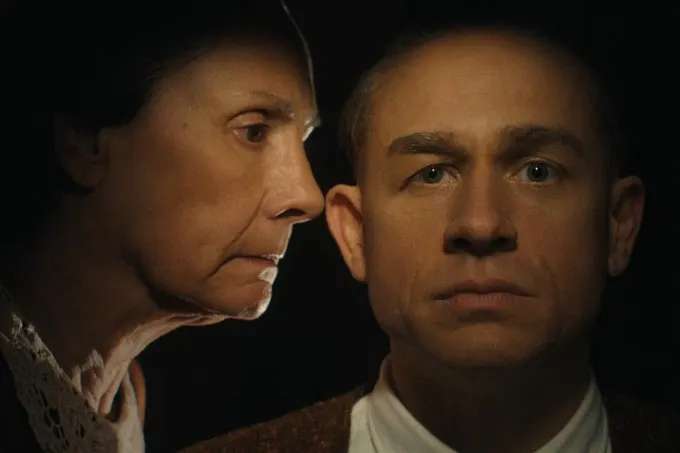
Charlie Hunnam delivers what critics are calling his most unsettling performance to date as Ed Gein. The British actor underwent a dramatic physical and vocal transformation, adopting Gein’s distinctively soft, high-pitched voice that has sparked intense debate among viewers. Some compare it to “a depressed Kermit the Frog,” while others praise its authenticity.
Hunnam’s commitment to accuracy led him to track down rare audio recordings of Gein from the night of his 1957 arrest. Working with documentary producer Joshua Kunau, he accessed a 70-minute interview that had never been made public due to legal inadmissibility. This dedication to authenticity shows in every scene, though some viewers find the voice distracting rather than compelling.
Did Ed Gein Kill His Brother in Real Life?
Did Ed Gein kill his brother in real life remains one of the most debated aspects of the series. Netflix’s portrayal shows Ed striking his brother Henry with a log during an argument about their controlling mother, Augusta. In the show, Henry expresses his desire to leave home and marry, criticizing their mother’s influence over Ed.
The real-life circumstances surrounding Henry Gein’s death on May 16, 1944, remain mysterious. Official records indicate Henry died of asphyxiation during a brush fire on the family property. However, investigators noted several inconsistencies: Henry’s body showed no burn marks despite being found on scorched earth, and Ed led searchers directly to his brother’s location after claiming he couldn’t find him.
Crime writer Harold Schechter, author of “Deviant,” describes the death as having “peculiar details” that raised suspicion. The coroner ruled it accidental, but the circumstances have fueled decades of speculation about Ed’s potential involvement.
How Many People Did Ed Gein Kill?
How many people did Ed Gein kill is a question the series addresses directly. Gein confessed to murdering two women: 54-year-old Mary Hogan in December 1954 and 58-year-old Bernice Worden in November 1957. Both victims were middle-aged women who resembled his deceased mother.
However, Gein’s grave-robbing activities far exceeded his murders. He admitted to exhuming bodies from nine graves in local cemeteries, using the corpses to create grotesque household items including lampshades, furniture upholstery, and masks made from human faces.
Authorities suspected Gein in other disappearances, including 8-year-old Georgia Weckler and 14-year-old Evelyn Grace Hartley, but no evidence ever connected him to these cases. The series accurately portrays this limited victim count while emphasizing the psychological horror of his necrophilic activities.

Did Ed Gein Really Talk Like That?
Did Ed Gein really talk like that addresses viewers’ reactions to Hunnam’s vocal portrayal. The distinctive high-pitched, childlike voice isn’t an actor’s interpretation – it’s based on authentic recordings of Gein’s actual speech patterns.

Director Max Winkler explained that Hunnam obtained access to rare audio recordings that even professional researchers couldn’t locate. The tapes revealed Gein’s voice as “a series of affectations to please his mother,” reflecting his belief that Augusta wanted a daughter rather than a son.
The voice represents Gein’s psychological manipulation and desperate need for maternal approval. Hunnam spent months perfecting this vocal characteristic, understanding it as essential to portraying Gein’s fractured psyche rather than mere quirk.
The Adeline Watkins Controversy
Did Ed Gein kill Adeline Watkins is a question the series explores through its fictional portrayal of their relationship. In reality, Watkins never died at Gein’s hands. She was an authentic woman who asserted that she had been in a relationship with Gein for more than 20 years, characterizing him as “good, kind, and sweet” during a 1957 interview with the Minneapolis Tribune.
However, Watkins later retracted her statements, telling the Stevens Point Journal that her words were “blown out of proportion” and contained “untrue statements.” The Netflix series takes creative liberties with this relationship, using Adeline as a character to explore Gein’s psychological development rather than adhering to historical accuracy.
Suzanna Son’s portrayal of Adeline serves the narrative’s thematic purposes, representing the normalcy Gein craved while highlighting his inability to maintain genuine human connections.
Critical Reception and Viewer Response
Ed Gein Netflix review reactions have been mixed, with critics praising the performances while questioning the series’ focus and graphic content. Roger Ebert’s reviewer called it “one of the most unfocused of Ryan Murphy’s productions,” criticizing its shallow approach to recreating Gein’s crimes.
The Hollywood Reporter described the series as “trashy” but acknowledged Hunnam’s “terrifyingly committed performance.” Critics appreciate the atmospheric production design and Laurie Metcalf’s powerful portrayal of Augusta Gein, while questioning the series’ obsession with graphic violence.
American audiences have responded with fascination and revulsion. The series successfully captures the horror of Gein’s crimes while exploring the psychological factors that created a monster. However, some viewers find the graphic content excessive and the pacing uneven.

Historical Accuracy vs. Creative License
The series takes significant liberties with historical facts, particularly regarding Henry’s death and the Adeline Watkins relationship. While core elements of Gein’s crimes remain accurate, Murphy and his team create dramatic scenarios that prioritize entertainment over documentation.

Netflix’s approach reflects the challenge of adapting true crime stories for television. The series succeeds in capturing the psychological horror of Gein’s story while failing to maintain strict historical accuracy. This balance between fact and fiction has become a trademark of the Monster anthology series.

Key Facts About Ed Gein
| Aspect | Details |
| Birth/Death | August 27, 1906 – July 26, 1984 |
| Confirmed Murders | 2 (Mary Hogan, Bernice Worden) |
| Grave Robberies | 9 documented cases |
| Brother’s Death | May 16, 1944 (officially accidental) |
| Arrest Date | November 16, 1957 |
| Final Residence | Mendota Mental Health Institute |
| Cultural Impact | Inspired Psycho, Texas Chainsaw Massacre, Silence of the Lambs |
The Series’ Cultural Impact
The show arrives at a time when Americans are increasingly fascinated by true crime content. Gein’s story resonates because it represents the ultimate violation of social norms – transforming human remains into household objects while maintaining a facade of normalcy in rural Wisconsin.
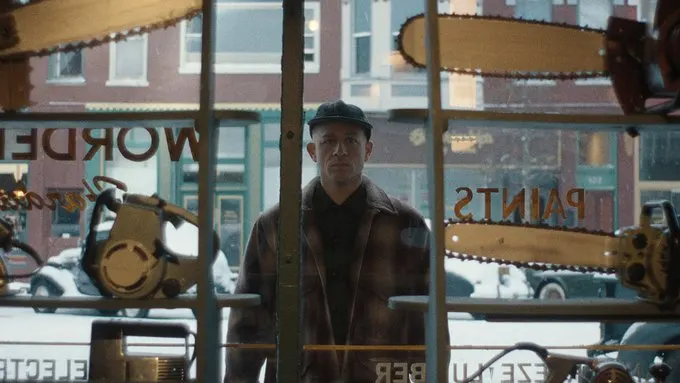
The series effectively demonstrates how Gein influenced decades of horror entertainment, featuring scenes with Tom Hollander as Alfred Hitchcock during the production of “Psycho.” This meta-commentary on violence in popular culture adds depth to the narrative while examining America’s obsession with real-life monsters.
Frequently Asked Questions About Ed Gein Netflix Series
Is the Ed Gein Netflix series accurate to real events?
The series maintains accuracy regarding Gein’s confirmed crimes and psychological profile but takes creative liberties with relationships and specific events, particularly Henry’s death and the Adeline Watkins storyline.
Did Ed Gein really kill his brother Henry?
Did Ed Gein kill his brother in real life remains unproven. Henry died in 1944 under suspicious circumstances during a brush fire, but his death was officially ruled accidental despite inconsistencies in Ed’s account.
How many victims did Ed Gein actually have?
How many people did Ed Gein kill is definitively two: Mary Hogan and Bernice Worden. However, he exhumed bodies from nine graves and was suspected in other disappearances that were never proven.

Did Ed Gein sound like Charlie Hunnam’s portrayal?
Did Ed Gein really talk like that – yes, Hunnam’s high-pitched voice is based on authentic recordings from Gein’s arrest. The distinctive speech pattern reflected his psychological need to please his mother.
Was Adeline Watkins a real person?
Did Ed Gein kill Adeline Watkins – no, because she wasn’t murdered. Watkins was real but later retracted claims about a 20-year relationship with Gein, saying her statements were misrepresented.
How does this compare to other Monster seasons?
Critics generally rank this below the Jeffrey Dahmer season but acknowledge Hunnam’s committed performance. The series struggles with focus and pacing compared to previous installments but succeeds in creating atmospheric horror.
The Ed Gein Netflix review consensus reveals a series that succeeds in creating psychological horror while struggling with historical accuracy and narrative focus. Hunnam’s transformative performance anchors a production that will undoubtedly fuel continued American fascination with one of our most disturbing criminal cases.