
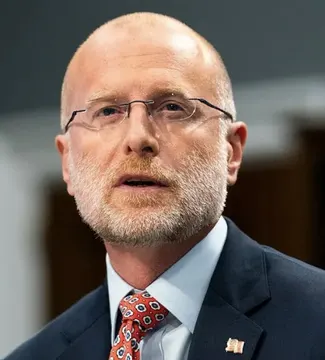
Brendan Carr, a sitting FCC commissioner, has become a central figure in U.S. communications policy debates by championing broadband expansion, free speech protections, and regulatory reform. Appointed by President Trump in 2017 and elevated by President Biden to a second term, Brendan Carr blends a conservative legal background with a practical emphasis on closing digital divides and reining in Big Tech.
Brendan Carr’s Path to the FCC
Brendan Carr’s journey to the Federal Communications Commission began in rural Virginia and led through Capitol Hill to shaping America’s digital future.
After earning his law degree at Catholic University, Carr worked for Senator Bob Corker and later as counsel on the Senate Commerce Committee under Chairman John Thune. In 2017, President Trump nominated him to the FCC alongside fellow commissioners Jessica Rosenworcel and Geoffrey Starks. Carr was confirmed by a 50–48 Senate vote.
Brendan Carr’s Regulatory Philosophy
Carr’s regulatory philosophy emphasizes market-driven broadband deployment, light-touch oversight of internet platforms, and robust competition.
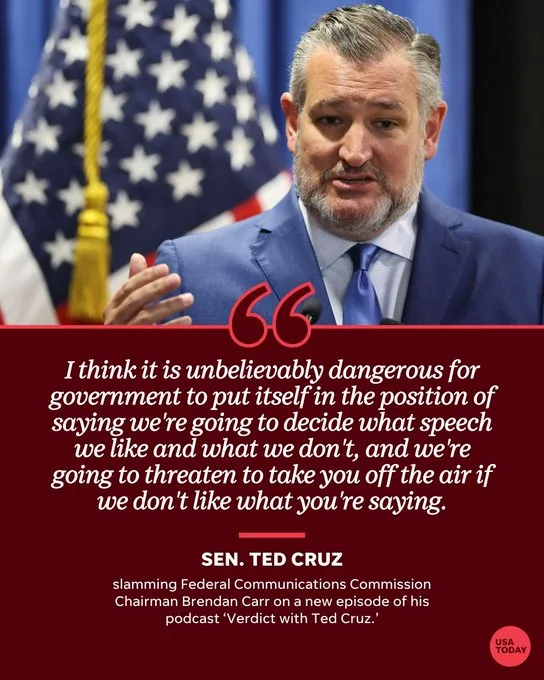
He argues that reducing Federal funding barriers accelerates private investment, while transparent enforcement protects consumers. Carr supports Section 230 reform to increase platform accountability, echoing calls from lawmakers like Senator Ted Cruz who have publicly challenged social media bias and censorship.
Project 2025 Chapter: Broadband for All
Under the informal “Project 2025” vision for conservative governance, Carr’s blueprint appears as a dedicated chapter promoting universal digital access.
Highlights include eliminating duplicative regulations that slow fiber deployments, expanding spectrum auctions for 5G, and incentivizing rural broadband grants tied to performance metrics. A proposed pilot under Carr’s guidance would streamline federal-state cooperation on broadband maps to identify unserved communities accurately.
Carr’s Free Speech Advocacy and Section 230
Brendan Carr has been a vocal proponent of reforming Section 230 of the Communications Decency Act to hold platforms accountable for content moderation.
He argues that platforms like X and Facebook wield immense editorial power but hide behind broad immunity. Carr supports targeted carve-outs that preserve small-forum protections while subjecting large platforms to transparency and due-process requirements for content takedowns.
Interactions with Ted Cruz and Public Figures
Carr’s policy positions have drawn both praise and criticism from figures such as Senator Ted Cruz and talk show host Jimmy Kimmel.
Cruz commended Carr’s push for Section 230 reform, leading a high-profile Senate hearing where Carr defended the FCC’s authority to investigate platform bias. Meanwhile, comedian Jimmy Kimmel referenced Carr’s views on internet censorship during a late-night monologue, sparking a social media debate about free speech and misinformation.

Key FCC Initiatives Led by Carr
Brendan Carr has spearheaded several major FCC initiatives to expand connectivity and protect consumer rights.
- Rural Digital Opportunity Fund (RDOF): Advocated $20 billion in targeted subsidies to bring gigabit broadband to underserved areas.
- 5G FAST Plan: Pushed for spectrum auctions and deregulation to accelerate 5G rollout.
- Robocall Mitigation: Championed SHAKEN/STIR call-authentication rules to reduce spam calls by 70%.
- Promoting Broadband for Low-Income Families: Supported Emergency Broadband Benefit program providing up to $50 monthly discounts.
Brendan Carr’s Stance on Net Neutrality
Carr opposes strict net neutrality rules, favoring a light-touch approach that prevents blocking and throttling but avoids classifying ISPs as common carriers.
He maintains that heavy Title II regulations stifle infrastructure investments. Instead, Carr advocates targeted prohibitions on discriminatory practices while encouraging transparency reports from ISPs on traffic management.

Tables: Broadband Deployment Progress
A comparison of broadband availability improvements under Carr’s tenure:
| Year | National Broadband Availability | Rural Availability |
| 2017 | 93% | 65% |
| 2020 | 98% | 75% |
| 2025 (proj.) | 99.5% | 85% |
Recognitions and Criticisms
Carr’s efforts have earned industry awards and conservative praise for cutting red tape, but consumer advocates criticize his rollback of Title II rules.
He received the “Innovator of the Year” award from the Wireless Infrastructure Association in 2021, yet groups like Free Press argue his net-neutrality stance jeopardizes equitable access.
Brendan Carr’s Personal Background
Understanding Carr’s roots provides context for his policy priorities.
Born in Virginia in 1979, he grew up with limited internet access, fueling his passion for closing digital gaps. He met his wife, Elizabeth, in law school, and they have three children. Carr’s personal experience in rural communities shapes his advocacy for Brendan Carr FCC efforts to bridge urban-rural divides.

FAQs
Who is Brendan Carr?
Brendan Carr is a commissioner on the Federal Communications Commission, appointed in 2017 and reappointed in 2021. He focuses on broadband expansion, free speech, and modernizing telecom regulation.
What is the Project 2025 Chapter by Brendan Carr?
It refers to Carr’s blueprint within the broader Project 2025 framework prioritizing universal broadband, spectrum reform, and streamlined digital-infrastructure policies.
What is Carr’s position on Section 230?
He supports targeted reforms to increase accountability for major platforms while preserving immunity for small-forum hosts.

How did Ted Cruz and Jimmy Kimmel react to Carr’s work?
Senator Ted Cruz praised Carr’s Section 230 reform efforts in Senate hearings, while Jimmy Kimmel referenced those debates in his late-night monologue, sparking public discussion.
What are Brendan Carr’s major FCC initiatives?
Key initiatives include the Rural Digital Opportunity Fund, 5G FAST Plan, robocall mitigation rules, and low-income broadband discounts.
Where can I learn more about Carr’s FCC speeches?
Visit the FCC website’s commissioner page for transcripts and videos of Brendan Carr’s speeches and statements.
Brendan Carr’s leadership at the FCC continues to shape America’s digital infrastructure, balancing innovation with free-speech protections as the nation prepares for a fully connected future.