
Alina Habba, President Donald Trump’s nominee for U.S. Attorney in New Jersey, has been officially disqualified from the role following a unanimous decision by the U.S. Court of Appeals for the Third Circuit. The ruling upholds a lower court’s finding that her appointment violated federal law, marking another setback for the administration’s efforts to place loyalists in key prosecutorial positions.
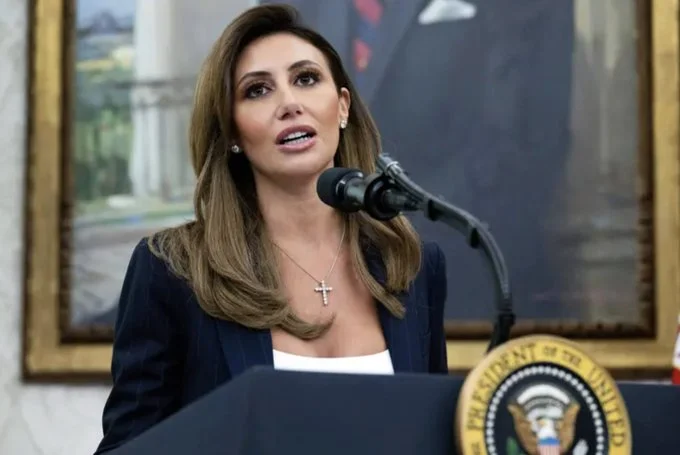
Background on Alina Habba’s Controversial Appointment
Alina Habba, a longtime personal attorney for Trump, gained prominence defending him in high-profile civil cases, including those from New York AG Letitia James and E. Jean Carroll. In March 2025, Attorney General Pam Bondi named her interim U.S. Attorney for New Jersey after the prior appointee resigned. Trump formally nominated her in June, but Senate confirmation stalled due to opposition from Democratic senators Cory Booker and Andy Kim.
Facing a 120-day limit under the Federal Vacancies Reform Act (FVRA), the DOJ attempted workarounds: firing the designated successor Desiree Grace, withdrawing the nomination, and reappointing Alina Habba as both Special Attorney and First Assistant U.S. Attorney to auto-elevate her. Federal judges in New Jersey rejected this, leading to the appeals challenge.
BREAKING: A Federal appeals court just ruled that Alina Habba, Trump's former personal lawyer, is unlawfully serving as the US attorney for New Jersey because Trump unlawfully appointed her.
Trump just keep violating the law. pic.twitter.com/nwFdTYqLHT— Ed Krassenstein (@EdKrassen) December 1, 2025
Appeals Court Ruling on Alina Habba
On Monday, a three-judge panel—including two George W. Bush appointees (Judges D. Michael Fisher and D. Brooks Smith) and one Barack Obama pick (L. Felipe Restrepo)—issued a 32-page opinion affirming U.S. District Judge Matthew Brann’s August 21 ruling. The court found the DOJ’s maneuvers did not comply with FVRA provisions, disqualifying Alina Habba from acting in permanent or interim capacities.
Judge Fisher wrote that while the administration faced “legal and political barriers,” New Jersey residents and U.S. Attorney’s Office staff deserve “clarity and stability.” The decision marks the first appellate rejection of Trump’s attempts to bypass statutory processes for U.S. Attorney roles, per lawyers Abbe Lowell, Gerald Krovatin, and Norm Eisen.
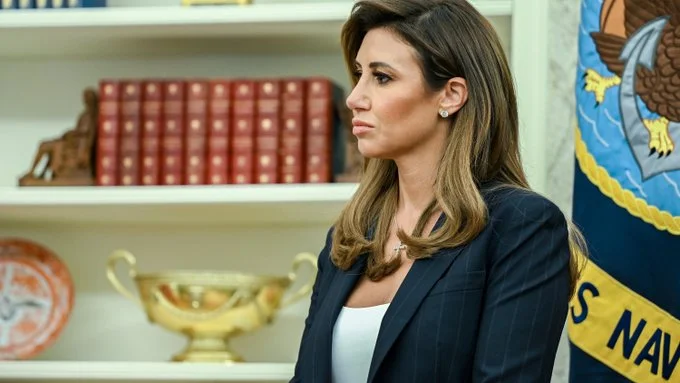
Implications for Alina Habba and Trump DOJ Strategy
The Alina Habba ruling echoes a recent decision disqualifying another Trump ally, Lindsey Halligan, as interim U.S. Attorney for Virginia’s Eastern District, which voided cases against James Comey and Letitia James. Unlike that outcome, the Alina Habba decision does not dismiss underlying charges against challengers Cesar Pina and others facing drug and fraud indictments.

Legal experts note this curbs executive overreach in prosecutorial appointments, requiring Senate confirmation or strict FVRA adherence. The Trump administration vowed appeals, with AG Bondi previously defending Alina Habba on social media against “activist judicial attacks”.
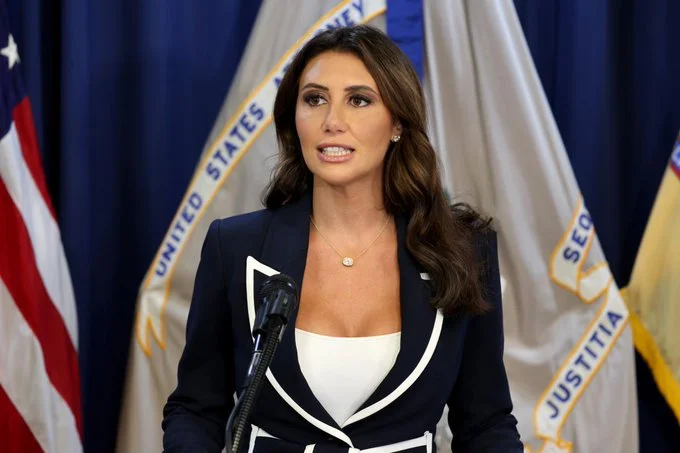
Alina Habba’s Role in Trump’s Legal Battles
Beyond the appointment fight, Alina Habba remains a fixture in Trump’s orbit. As his former counsel, she handled civil defenses amid his 2024 reelection and ongoing cases. Her lack of prior criminal prosecution experience fueled critics, who argued the role demands seasoned federal litigators, not political allies.
The saga highlights tensions between the executive branch and judiciary, especially in blue-leaning New Jersey, where Alina Habba pursued charges against Democratic figures like Rep. Rashida Tlaib and AG Gurbir Grewal.

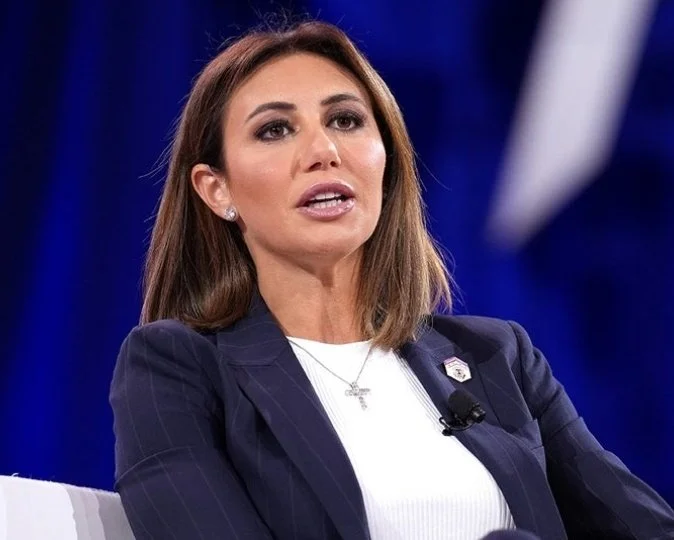
What’s Next After Alina Habba Disqualification
With Alina Habba sidelined, New Jersey’s U.S. Attorney office faces leadership uncertainty. Career prosecutors may step in temporarily, but a permanent nominee requires Senate approval amid partisan divides. The ruling could impact dozens of cases she oversaw since July 1, 2025, prompting defense challenges.
Broader DOJ maneuvers—like similar interim picks—now risk scrutiny. Watch for Supreme Court potential if appeals escalate, as this tests FVRA limits in Trump’s second term.