
An extreme cold warning grips the eastern United States, impacting 160 million residents as recovery from a devastating winter storm continues amid forecasts of another arctic onslaught. The National Weather Service (NWS) has issued urgent alerts for life-threatening wind chills as low as minus 20°F in the Upper Ohio Valley, with sub-zero conditions persisting through next week.

Widespread Devastation from Recent Storm
The recent storm dumped 12+ inches of snow from Arkansas to New England, claiming at least 21 lives and burying Pittsburgh under 20 inches—the city’s second‑largest 24‑hour accumulation in 30 years. Over 500,000 remain without power, including 178,000 in Tennessee and 140,000 in Mississippi, exacerbating hypothermia risks during single-digit or sub-zero lows. Falling trees, snapped power lines, and ice‑laden branches have created “war zones,” as one Mississippi resident described chainsawing through 40 collapsed trees amid gunshot‑like cracks.
Pittsburgh Mayor Corey O’Connor declared a state of emergency after 37 snow plows failed in the freeze, while New Hampshire troopers managed 126 crashes. Louisiana boil‑water notices highlight infrastructure strain, with Monroe citing “questionary microbiological quality” from cold‑induced operational issues.
Extreme Cold Warning for the highlighted area until Jan 27 11:00AM. Wind chills are likely to drop low enough for frostbite to occur in a matter of minutes. Dress in layers and cover all exposed skin if you will be outside. pic.twitter.com/qzcRtabLor
— Andrew DiPaolo (@AndrewWFMJ) January 27, 2026
Incoming Arctic Blast Intensifies Extreme Cold Warning
A fresh extreme cold warning looms as arctic air surges from the Plains into the East and Southeast Friday–Saturday, potentially shattering records as far south as Florida. The NWS warns this could mark one of the longest cold spells in decades, with wind chills rivaling historic Polar Vortex events. Relief may not arrive until mid‑next week.
Travel remains crippled: 1,400+ cancellations and 8,000 delays persist, despite some airport reopenings. Schools closed across New York, shifting 500,000 students to remote learning; Dallas sheltered 1,150 unhoused individuals and pets.
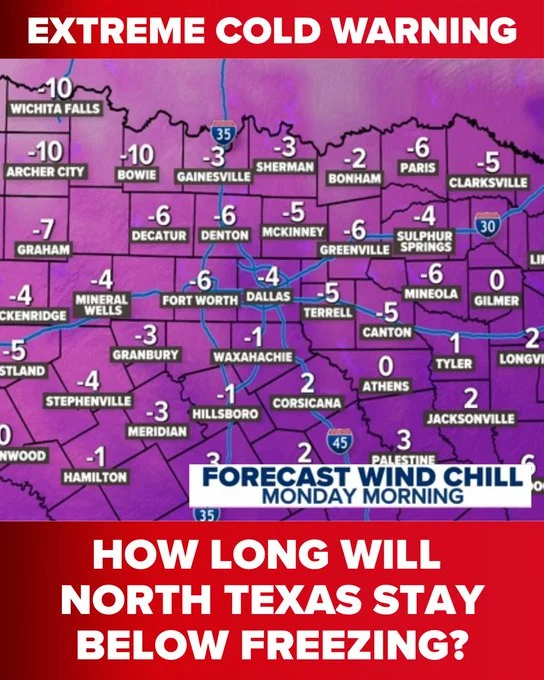
Understanding Extreme Cold Warnings: What They Mean
An extreme cold warning, recently replacing “wind chill warnings,” signals temperatures or wind chills posing imminent health threats like frostbite or hypothermia within minutes of exposure. Unlike advisories, warnings demand immediate action: limit outdoor time, layer clothing, cover skin, and monitor vulnerable groups. In 2024, the NWS standardized criteria, with local offices tailoring thresholds—often minus 15°F feels‑like or colder.

This system’s evolution addresses real dangers: exposed skin frostbites in 10–30 minutes at minus 20°F wind chill, per NWS charts. Historical precedents include the 2011–2012 experimental warnings in Dakotas/Minnesota for minus 35°F air temps.

Safety Essentials During Extreme Cold Warning
Preparation Checklist
- Layer smartly: Base wicking layer, insulating mid‑layer, waterproof shell; hat/gloves essential (50% heat loss via head/extremities).
- Power outage kit: Battery radio, flashlights (no candles), power bank, non‑perishables, manual opener.
- One‑room survival: Seal a small interior room; block drafts with towels.

Hypothermia & Frostbite Signs
| Symptom | Hypothermia | Frostbite |
| Early | Shivering, confusion | Numbness, white skin |
| Severe | No shivering, drowsiness | Blisters, blackened tissue |
| Action | Warm gradually, seek medical | Do NOT rub; warm with body heat |
During outages, unplug appliances to prevent surges; keep fridge/freezer doors closed (48 hours safe). Text over calls for better connectivity.
Regional Impacts and Responses
Northeast: New York’s “enhanced code blue” opens 50+ shelters.

South: Mississippi deploys 500 National Guard for debris/traffic; unprecedented for the region.
Midwest: Pittsburgh’s plow breakdowns highlight equipment failures in prolonged extreme cold warning.
Experts link this to Polar Vortex disruptions, funneling Canadian air south—echoing 2022’s deadly Texas freeze. Billion‑dollar disasters like these underscore climate volatility, with 2022 U.S. cold snaps costing billions in outages/damage.
Forecast and Recovery Outlook
Another “significant winter storm” brews for eastern states this weekend, per NWS, compounding the extreme cold warning. Aviation, energy grids, and roads face extended strain; utilities urge conservation.
Communities rally: Guard activations, warming centers, and mutual aid define resilience. Gov. Tate Reeves summed it: “We will get through this.” Monitor NWS updates, heed extreme cold warning protocols, and prioritize safety as this historic freeze endures.