
Philip Yancey, celebrated Christian author behind What’s So Amazing About Grace?, has stunned readers worldwide by confessing an eight-year affair with a married woman, leading to his immediate retirement from writing, speaking, and ministry. The 75-year-old evangelical thought leader, whose books have sold millions exploring pain, grace, and faith’s mysteries, now seeks to rebuild his 55-year marriage while stepping permanently from public life.
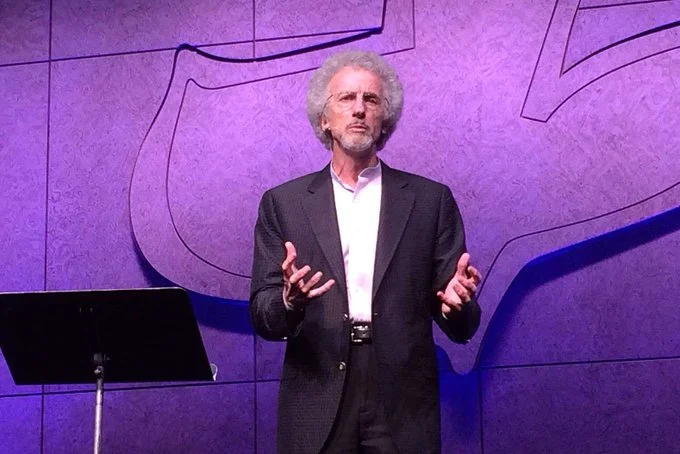
Details of Philip Yancey’s Personal Confession
In a raw statement to Christianity Today, Philip Yancey admitted the long-term extramarital relationship that shattered his personal and professional life. “Having removed myself from Christian ministry, I am stepping back from writing, speaking, and social media,” he stated. Philip Yancey committed to spending his remaining years “living up to the words I have already written,” requesting prayers for marital restoration and healing for those wounded.
The confession carries profound irony. Philip Yancey spent decades penning influential works like Disappointment with God, The Jesus I Never Knew, and Where Is God When It Hurts?, establishing himself as evangelicalism’s most introspective voice. His personal fall from grace mirrors the human frailty he so eloquently explored in print.
Philip Yancey’s Literary Legacy
Philip Yancey authored over 25 books during his four-decade career, blending unflinching honesty with theological depth. Key works include:

| Book Title | Core Theme | Impact |
| What’s So Amazing About Grace? | Radical forgiveness | Sold 2M+ copies, National Book Award finalist |
| Disappointment with God | Wrestling with divine silence | Translated into 20+ languages |
| The Jesus I Never Knew | Reexamining Christ | ECPA Gold Medallion winner |
| Fearfully & Wonderfully Made (with Dr. Paul Brand) | Disability & divine image | Medical/spiritual bestseller |
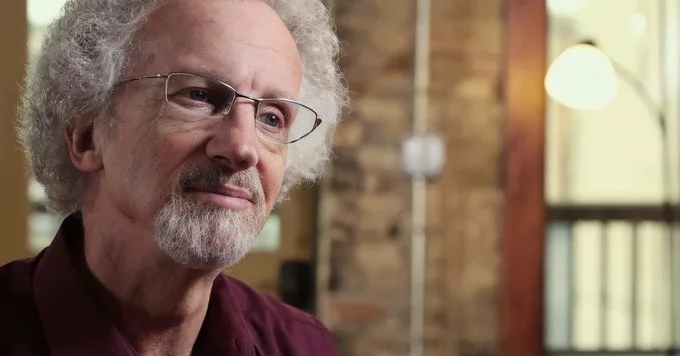
Philip Yancey contributed regularly to Christianity Today, World Vision, and Christianity Today Institute, earning four Christianity Today Book of the Year awards. His explorations of suffering, doubt, and grace resonated across denominational lines, making him evangelicalism’s premier wordsmith.
Theological Implications of Philip Yancey’s Fall
Philip Yancey‘s confession reignites debate about grace versus sanctification in evangelical circles. His own words—”Grace, like water, flows to the lowest part”—now frame personal tragedy. The irony underscores Christianity’s dual reality: profound forgiveness alongside transformation expectations.
Yancey’s fall challenges popular evangelical theology emphasizing behavioral perfection as holiness evidence. Critics question whether decades of ministry insulated him from accountability, while supporters emphasize his honesty and repentance. Philip Yancey embodies the gospel tension Tim Keller described: “I am so flawed that Jesus had to die for me, yet so loved that Jesus was glad to die for me.”

Public Reaction to Philip Yancey’s Retirement
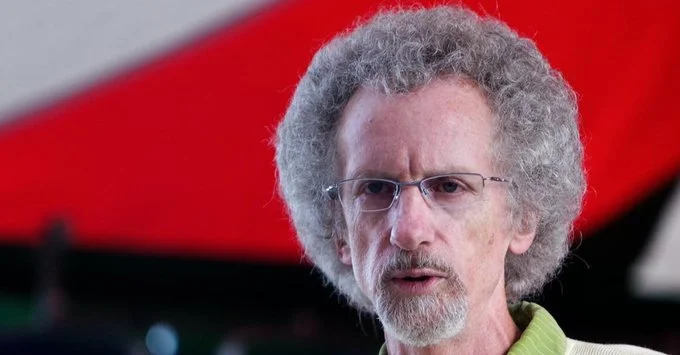
Christian leaders express devastation tempered by grace. Figures like Jim Denison highlight Philip Yancey‘s authenticity made his fall particularly painful. Social media reflects polarized responses:
- Supporters: Emphasize repentance, forgiveness, marital restoration
- Critics: Question eight-year duration, public ministry continuation
- Theologians: Frame as sanctification warning, grace demonstration
Philip Yancey‘s existing catalog—15 million books sold—remains available, though future projects end permanently. His statement prioritizes family healing over reputation recovery, modeling repentance over image management.
What Happens to Philip Yancey’s Ministry Materials?
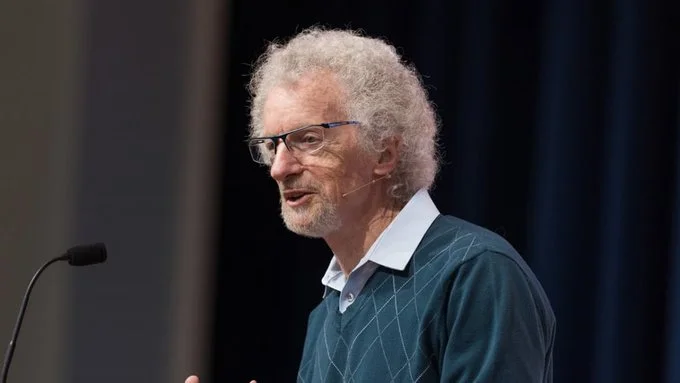
Philip Yancey‘s books retain publishers’ approval for continued distribution. Zondervan, HarperOne, and other imprints show no withdrawal announcements. Speaking invitations cease immediately, alongside social media presence (@PhilipYancey spanning 50K+ followers).
His website continues operation, featuring decades of articles, interviews, and resources. Philip Yancey requested prayers specifically for “rebuilding trust and restoring my marriage,” signaling family as healing priority over professional rehabilitation.

Lessons from Philip Yancey’s Personal Crisis
Philip Yancey‘s confession serves multiple purposes beyond personal accountability:
- Grace Demonstration: Public repentance validates unmerited favor teachings
- Sanctification Reminder: Holiness requires daily Spirit-dependence, not self-effort
- Leadership Accountability: High-profile platforms demand higher standards
- Human Frailty: Even mature believers remain sin-vulnerable
The scandal prompts reevaluation of celebrity Christianity dynamics. Yancey’s decades without similar scandal made betrayal particularly shocking. His immediate, unqualified confession contrasts celebrity damage control patterns.
Philip Yancey’s Enduring Message
Despite personal failure, Philip Yancey‘s core thesis persists: God meets humanity in brokenness. Books addressing pain, doubt, and divine absence retain relevance through his lived experience. His final public words—”I need to spend my remaining years living up to the words I have already written”—encapsulate the authenticity defining his career.
Philip Yancey transitions from public teacher to private disciple, embodying grace received rather than merely described. His confession transforms theoretical theology into lived reality, challenging readers to examine personal integrity versus public persona. The author who chronicled divine encounters now seeks God’s presence in personal wilderness.
Christian publishing loses its premier voice, but gains grace’s ultimate testimony. Philip Yancey‘s legacy evolves from inspirational works to incarnational witness—flawed humanity encountering limitless forgiveness.