
The definition and classification of “professional degrees” by the Department of Education Professional Degrees have long shaped how graduate students finance their education and plan their careers. However, recent changes under the Trump administration’s higher-education overhaul—popularly known as the “Big Beautiful Bill”—have shifted the landscape, sparking confusion and concern throughout the academic community. The scope of department of education professional degrees now holds new and far-reaching implications for countless students, particularly in key fields like nursing, social work, education, and public health.
What Defines a Professional Degree?
A “professional degree” was formerly recognized as an advanced qualification that indicates the fulfillment of academic criteria and a professional skill set that exceeds that of a bachelor’s degree, typically resulting in a license or certification for practice. The official Department of Education definition, rooted in a 1965 federal law, traditionally cited degrees such as Pharmacy (Pharm.D.), Dentistry (D.D.S./D.M.D.), Veterinary Medicine (D.V.M.), Chiropractic (D.C.), Law (J.D.), Medicine (M.D.), Optometry (O.D.), Osteopathic Medicine (D.O.), Podiatry (D.P.M.), and Theology (M.Div.).
However, the most recent regulatory update has sparked debate because it narrows the scope, omitting previously included or assumed professions. While clinical psychology recently made the cut, other in-demand fields have been left off.


Degrees No Longer Considered “Professional”
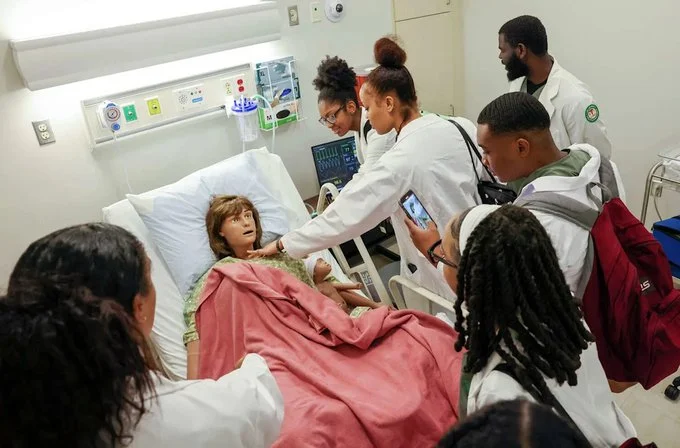
Notably, the revised Department of Education professional degrees list excludes several graduate programs—including nursing, physician assistants, physical therapists, audiologists, educators, accountants, social workers, and public health professionals. Stakeholders argue these careers require graduate-level preparation and are vital to national infrastructure and well-being, especially amid ongoing workforce shortages in healthcare and other sectors.
Advocacy organizations from nursing (ANA, AACN) to public health and social work have been highly vocal, warning that newly excluded students will have access only to lower loan caps, making advanced education less attainable and threatening to shrink the future workforce pipeline in already shortage-ridden sectors.


What the Change Means for Graduate Students
Student loan limits are now tightly linked to whether a program is classified under department of education professional degrees. Students in the officially approved programs—medicine, pharmacy, dentistry, optometry, veterinary medicine, osteopathic medicine, podiatry, chiropractic, law, theology, and clinical psychology—can borrow up to $50,000 annually and $200,000 total. In contrast, students pursuing other advanced fields face much lower caps: $20,500 annually, and $100,000 overall for graduate studies.
The new rules are slated to take effect July 1, 2026, and will replace the former Grad PLUS and Parent PLUS programs. Many are concerned that the restrictions will deter future professionals from pursuing graduate studies in high-need fields, ultimately undermining talent pipelines for critical sectors like healthcare, education, public service, and community development.

National Debate and Future Advocacy
The roll-out of the new Department of Education professional degrees classification has triggered broad debate and ongoing negotiation. Advocates from nursing, public health, audiology, speech-language pathology, and other excluded fields have urged the Department to revise its position—submitting petitions, open letters, and regulatory feedback to widen the definition and ensure sufficient funding for advanced professional education.
As regulatory processes continue, students and academic programs are advised to stay informed and participate in public comment periods on proposed rules. The results of these debates will influence graduate funding structures, access to high-skill careers, and the long-term strength of America’s professional workforce.