Victor Frankenstein Guillermo del Toro presents a deeply emotional and visually rich adaptation of Mary Shelley’s 1818 classic novel, Frankenstein; or, The Modern Prometheus. Streaming on Netflix from November 7, 2025, the film shifts the narrative focus from pure scientific ambition to the inheritance of trauma, love, and forgiveness across generations.
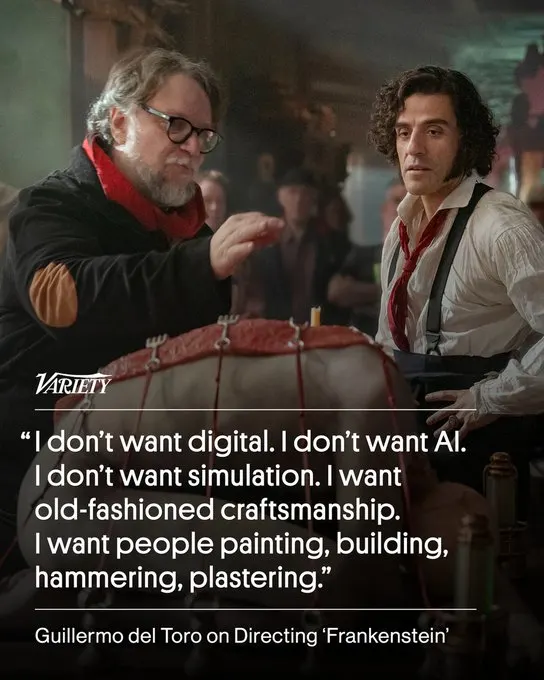
In the original novel, Victor Frankenstein is a Swiss scientist obsessed with discovering the secret of life. He assembles a being from dead body parts, only to be horrified and reject his creation, leading to a tragic cycle of loneliness, rejection, and violence. Shelley’s creature grows in self-awareness, learns about humanity’s history and art, and ultimately turns vengeful after suffering repeated rejections. The novel’s ending, set in the Arctic, leaves Victor dead and the creature promising to end its own agonized existence — a haunting warning about unchecked ambition lacking empathy.
"I'm never going to have the same hunger, the same longings. Finally, at age 61, I have closed the personal saga that started when I was 11 – I feel more myself" – Guillermo del Toro shares how making Frankenstein feel like he has healed his inner child
Watch our full chat here:… pic.twitter.com/YAbpO6RsUm— ada enechi (@adaenechi) November 4, 2025
Del Toro’s vision, set in 1857, begins on a Danish ship trapped in ice, echoing Shelley’s frame narrative. Oscar Isaac stars as Victor, a man scarred by his authoritarian father and driven to master life and death. Supported by Christoph Waltz’s Heinrich Harlander, a surgeon obsessed with immortality, Victor conducts ritualistic experiments in a storm-lashed tower, culminating in the creation of a being portrayed by Jacob Elordi — not a hideous creature, but a “revived warrior” emerged from the scars of history. This creature learns slowly, expressing innocence and love through gesture and silence rather than immediate intellect and speech, as in Shelley’s novel.
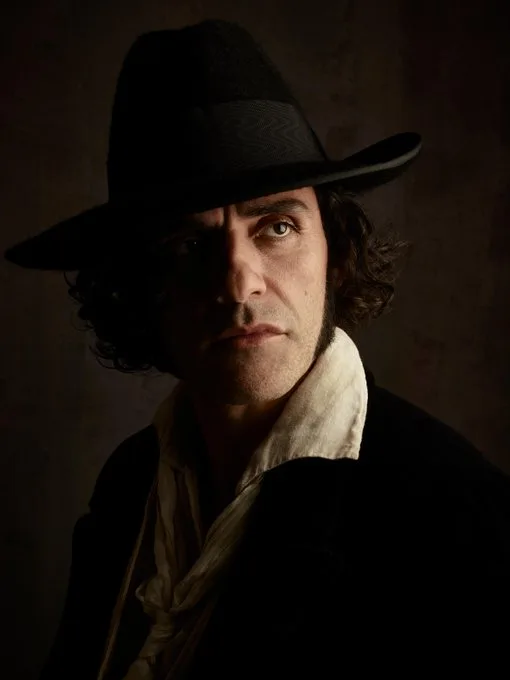
Mia Goth’s Elizabeth is reinvented as William’s fiancée and a scientist’s conscience, offering a moral and compassionate perspective. Del Toro uses rich red hues to symbolize guilt and bloodline, emphasizing emotional depth visually over the novel’s linguistic dread.

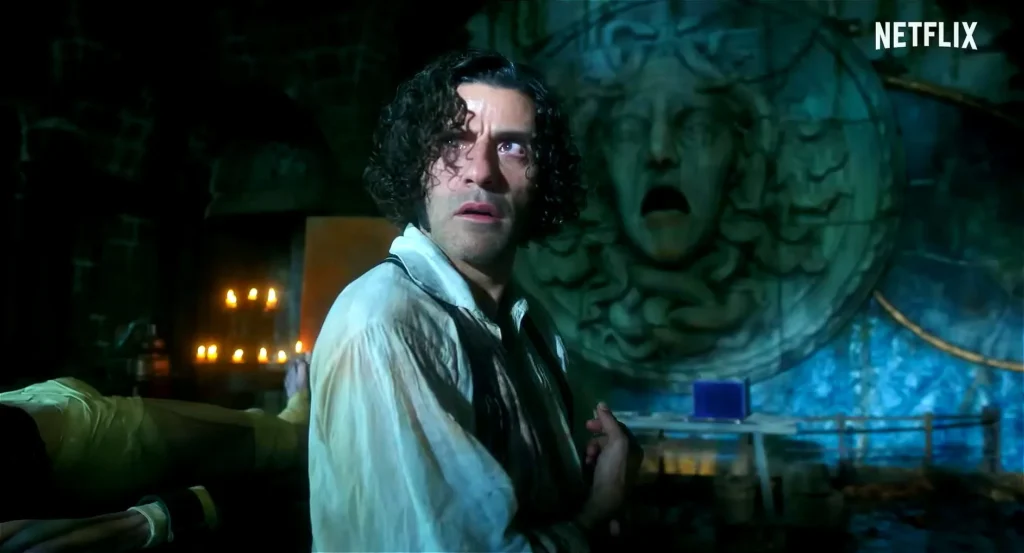
While Shelley’s Frankenstein closes with despair and isolation, del Toro’s film ends with reconciliation. Victor calls the creature his son on his deathbed, seeking forgiveness, which the creature grants before vanishing into an arctic dawn lit red — a symbol of rebirth. This ending moves beyond the horror of creation to a meditation on compassion withheld and fragile human bonds.
Del Toro’s adaptation stands out for imbuing the story with profound empathy. Victor becomes an artist confused in his pursuit of control masquerading as love, while the creature embodies vulnerability and forgiveness, bound in a painful yet tender relationship. The film’s design, color palette, and restrained dialogue deepen the emotional resonance, making it much more than a sci-fi horror — a poetic reflection on the ties that bind creator and creation.