
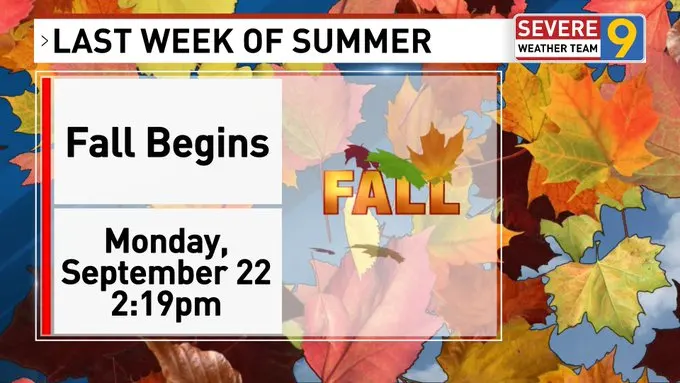
The first day of fall 2025 officially arrives on Monday, September 22 at 2:19 PM EDT, marking a celestial moment when day and night achieve nearly perfect balance across the globe. This astronomical event, known as the fall equinox 2025 or autumn equinox 2025, signals the transition from summer’s warmth to autumn’s crisp embrace throughout the United States. For Americans eager to embrace seasonal traditions and plan fall activities, understanding the equinox 2025 date and its significance opens the door to meaningful celebrations and natural observations.
Understanding the Fall Equinox 2025
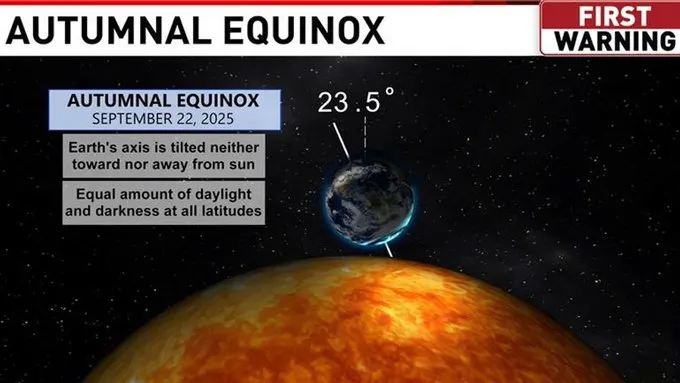
The autumnal equinox 2025 occurs precisely when the sun crosses the celestial equator from north to south, creating a moment of astronomical balance. This event happens simultaneously worldwide, though local times vary due to time zones. While the East Coast experiences the equinox at 2:19 PM EDT, West Coast residents observe it at 11:19 AM PDT. The term “equinox” derives from Latin words meaning “equal night,” referring to the nearly equal duration of daylight and darkness experienced on this date.
What Makes September 22, 2025 Special
Astronomical Precision
On this first day of fall, the Earth’s axis tilts neither toward nor away from the sun, positioning our planet in perfect perpendicular alignment with solar rays. This precise moment marks the sun’s passage directly over the equator, making it visible overhead at noon for anyone standing along that imaginary line. The event represents one of only two times each year when both Earth’s hemispheres receive equal solar illumination.
Daylight Changes Across America
While the equinox suggests equal day and night, atmospheric effects create slight variations. Most locations in the United States actually experience about 12 hours and 7-10 minutes of daylight on the autumn equinox due to atmospheric refraction, which bends sunlight and extends visible daylight. Cities across America will notice significant changes in daylight patterns following the equinox, with northern regions losing approximately 100 minutes of daylight throughout September.
Weather Patterns for Fall 2025
Temperature Expectations
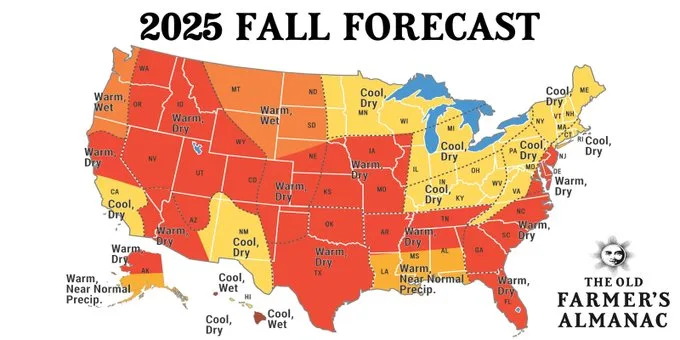
The first day of fall brings varied weather patterns across the United States. AccuWeather forecasts indicate that warm, humid conditions will persist across the eastern states through early autumn, while the West experiences above-average temperatures. However, significant temperature drops are expected in late October and November, particularly affecting the Midwest and northern Plains states.
Regional Variations
Different regions will experience distinct autumn transitions:
- Northeast and Midwest: Cool mornings with temperatures in the 60s-70s during the day, potentially dropping into the 40s-50s at night
- Southeast and Southwest: Persistent warmth well into late fall
- Northern Plains: First to experience cold air intrusions and potential early season weather changes
Traditional Fall Equinox Celebrations
Harvest Festival Traditions
The autumn equinox 2025 coincides with numerous harvest celebrations across America. These festivals honor agricultural abundance and community gathering, featuring activities like apple picking, corn mazes, and seasonal food tastings. Popular celebrations include Nebraska City’s AppleJack Festival, Massachusetts cranberry harvest events, and North Carolina pecan festivals.

Cultural Observances
Various communities mark the equinox with meaningful rituals and traditions:
- Mabon Celebrations: Modern pagan communities observe this “Second Harvest” with gratitude ceremonies and seasonal altars
- Asian Moon Festivals: Communities celebrate with lantern displays and traditional foods
- Native American Traditions: Indigenous communities honor seasonal transitions with ceremonial gatherings
Modern Ways to Celebrate the First Day of Fall
Family-Friendly Activities
American families can embrace the first day of fall 2025 through various accessible activities:
- Visit local farmers markets to gather seasonal produce
- Host harvest feast gatherings featuring autumn foods like squash, apples, and root vegetables
- Create seasonal decorations using collected leaves, acorns, and natural materials
- Participate in apple picking and pumpkin patch visits
Community Events
Many communities organize special equinox celebrations featuring live music, traditional crafts, and educational programs about seasonal changes. These events often combine entertainment with agricultural education, making them perfect for families seeking meaningful autumn experiences.

Fall Equinox vs Fall Solstice: Understanding the Difference
It’s important to clarify that while some refer to a “fall solstice 2025,” this term is scientifically inaccurate. Solstices occur during summer and winter when the sun reaches its highest or lowest point in the sky. The autumn event is properly called an equinox, marking equal day and night rather than extreme daylight variation. The next solstice will be the winter solstice in December, bringing the shortest day of the year.
Practical Implications of the Equinox
Daylight Saving Time Considerations
While the equinox marks astronomical autumn, Americans should note that Daylight Saving Time continues until November 2, 2025, when clocks “fall back” one hour. This time change, combined with naturally decreasing daylight, will make evenings feel significantly darker earlier.
Seasonal Planning
The equinox 2025 date serves as an excellent benchmark for seasonal planning. Gardeners use this time to plant cool-season crops and prepare gardens for winter. Homeowners often begin winterization projects, while outdoor enthusiasts plan final warm-weather activities before colder months arrive.

Weather Phenomena and the Autumn Equinox
Atmospheric Effects
The equinox period often brings notable weather changes across the United States. Jet stream patterns shift, allowing cooler air masses to move southward more frequently. This creates the characteristic crisp autumn air that Americans associate with fall weather, though significant temperature swings remain possible throughout September and October.
Natural Observations
Wildlife behavior changes notably around the autumn equinox as animals prepare for winter. Bird migration intensifies, while mammals increase food gathering activities. These natural phenomena provide excellent opportunities for outdoor education and family nature observations.
FAQ
When exactly does the first day of fall 2025 occur?
The autumn equinox begins on Monday, September 22, 2025, at 2:19 PM Eastern Daylight Time, marking the official astronomical start of fall in the Northern Hemisphere.
Why isn’t day and night exactly equal on the fall equinox?
Atmospheric refraction bends sunlight, making the sun visible even when it’s technically below the horizon, resulting in approximately 12 hours and 7-10 minutes of daylight rather than exactly 12 hours.

How much daylight will the US lose after the autumn equinox 2025?
Most areas across the United States will lose 40-60 minutes of daylight by the end of September, with northern regions experiencing losses of up to 100 minutes throughout the month.
What’s the difference between meteorological and astronomical fall?
Meteorological fall begins September 1 for weather tracking purposes, while astronomical fall starts with the equinox on September 22, based on Earth’s position relative to the sun.
What weather should Americans expect during fall 2025?
Early fall will feature lingering warmth in eastern and western regions, with significant cooling expected in late October and November, particularly affecting the Midwest and northern Plains states.