
Rabbits with tentacles is a phrase that explodes online every few months because eye‑catching images and headlines make people wonder if a rabbit with tentacles is real or just another internet hoax. This simple, human‑friendly guide explains what tentacle rabbits content really shows, why it spreads so fast on social media and tabloids like DailyMail, and what science actually says about animal anatomy and photo manipulation.
- What “Rabbits With Tentacles” Usually Shows
- Why Tentacle Rabbits Trend So Easily
- The Science: Rabbits Do Not Grow Tentacles
- Common Sources Of The Illusion
- How To Verify “Rabbits With Tentacles” Posts
- Ethical Considerations For Sharing
- Table: Real vs Viral Claims About Rabbits With Tentacles
- Responsible Blogging Tips For This Topic
- FAQs
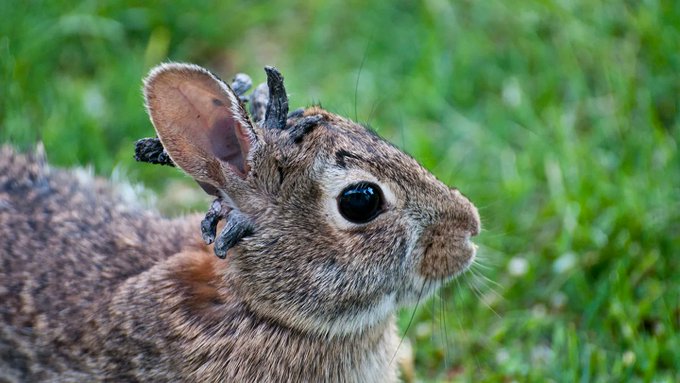
What “Rabbits With Tentacles” Usually Shows
Most viral posts labeled rabbits with tentacles feature edited photos, AI‑generated imagery, cosplay models, or sculpture art designed to look hyper‑real, not documented wildlife. In some cases, it is low‑light photography of rabbits tangled in seaweed or plastic that visually mimics tentacles at a glance, which then gets framed as a rabbit with tentacles for clicks and curiosity. The pattern is familiar: a striking picture, a short caption, and a chain of reposts that loses original context.
Why Tentacle Rabbits Trend So Easily
Headlines about tentacle rabbits blend cute and creepy, which triggers shares across platforms. The “wow” factor is strong because rabbits are familiar pets, so any alien‑like twist stands out. Short‑form feeds reward novelty, pushing rabbit with tentacles content into discovery pages. When a tabloid or aggregator links or embeds the clip, the cycle accelerates, and search interest spikes around queries like rabbits with tentacles and dailymail as readers hunt the “source.”
The Science: Rabbits Do Not Grow Tentacles
Rabbits are mammals with well‑documented anatomy and genetics, and there is no biological pathway for tentacle growth. What sometimes gets confused with tentacles in folklore are parasitic growths, severe mats of fur, debris tangles, or fibropapillomas that can look stringy or appendage‑like in distressed animals. None of these are functional limbs, and none resemble cephalopod tentacles in structure, suction, or motion. Upon careful observation and under appropriate lighting, the illusion fades, revealing the animal’s typical anatomy.
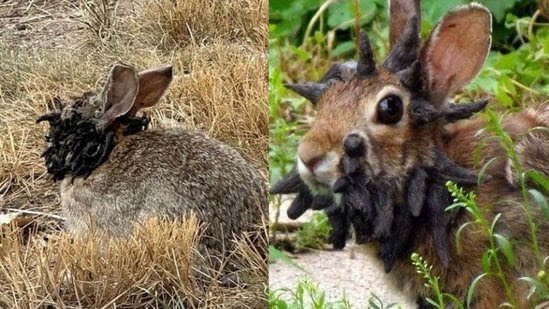
Common Sources Of The Illusion
- Photo edits and AI images that blend rabbit fur with octopus or squid textures for fantasy art or creature design.
- Constructing props for films, cosplay, or museum displays that incorporate prosthetic tendrils on taxidermy or models.
- Marine debris or vegetation entangled around a rabbit in coastal settings, incorrectly labeled as tentacle rabbits.
- Motion blur at night from smartphone cameras that streaks fur or whiskers into tentacle‑like trails.
How To Verify “Rabbits With Tentacles” Posts
Examine the image metadata and conduct a reverse image search to uncover previous versions that disclose an artist credit or a prop studio. Look for telltale signs like repeating textures, mismatched lighting, and impossible joint angles. Compare multiple frames if it is a video; edits often appear where motion looks unnatural. If a story cites dailymail or similar sites without scientific sources, seek a primary attribution, such as a zoo or wildlife rehab statement, before accepting claims.
Ethical Considerations For Sharing
Before posting tentacle rabbits content, ask whether the image may depict an animal in distress or be encouraging hoaxes. Highlighting context—art, satire, or education—helps audiences enjoy the creativity without mistaking it for nature. When content is misleading, a short correction in the caption protects readers and promotes responsible virality.
Table: Real vs Viral Claims About Rabbits With Tentacles
| Claim about tentacle rabbits | What’s actually going on | How to check quickly |
| Rabbits evolved tentacles | No scientific evidence; mammalian anatomy does not support tentacles | Look for peer‑reviewed sources; none exist |
| Wild rabbit photographed with tentacles | Prop, AI, or debris entanglement creating an illusion | Reverse image search; check artist credits |
| New species of rabbit with tentacles | Fabricated headline built for clicks | Search scientific databases and museum records |
| Dailymail presented a rabbit that has tentacles. | Frequently compiles viral media; captions might be devoid of scientific context | Investigate the original source beyond the article |
Responsible Blogging Tips For This Topic
Focus on clarity in the first paragraph using the focused keywords rabbits with tentacles, rabbit with tentacles, and tentacle rabbits while explaining the likely origins of the images. Avoid embedding unverified photos without context. Add short sections with practical verification steps readers can use. When referencing dailymail, frame it as an example of aggregation and encourage readers to trace original sources to avoid confusion. Keep paragraphs small and simple, and avoid sensational language that could mislead.
FAQs
What are “rabbits with tentacles” really?
Most examples are edited or AI‑generated images, art props, or optical illusions caused by debris or motion blur, not real biology.
Can a rabbit with tentacles exist in nature?

No. Rabbits are mammals and do not possess tentacles; there is no scientific record or mechanism for such anatomy.
Why do tentacle rabbits go viral?
The mix of cute and bizarre drives clicks and shares, and algorithms reward novelty, especially when amplified by tabloids or aggregators.
How should readers verify shocking animal photos?
Use reverse image search, check for artist or studio credits, compare frames in videos, and look for reputable scientific or institutional sources.

Is it okay to share these images if they are art?
Yes, if labeled clearly as art or concept design. Providing context helps audiences appreciate creativity without believing false claims.
How to mention dailymail responsibly?
Treat it as a secondary source; link or describe the original creator or scientific authority whenever possible to avoid amplifying misinformation.
By keeping focused on clear explanations and simple verification steps, coverage of rabbits with tentacles can be engaging, ethical, and genuinely useful for readers navigating today’s fast‑moving viral media landscape.
Read more article please click on the Link.